
By Daniel Myrand, REINSULATE LLC
If you live in Bradenton, Sarasota, or Manatee counties, you know how important attic insulation is to keep your home comfortable during Florida’s hot months. Fiberglass and cellulose are two popular choices, but each has features that work differently in Florida’s climate. This article gives you a close look at both materials and helps you decide which one fits your home best.
How Are Fiberglass and Cellulose Made?
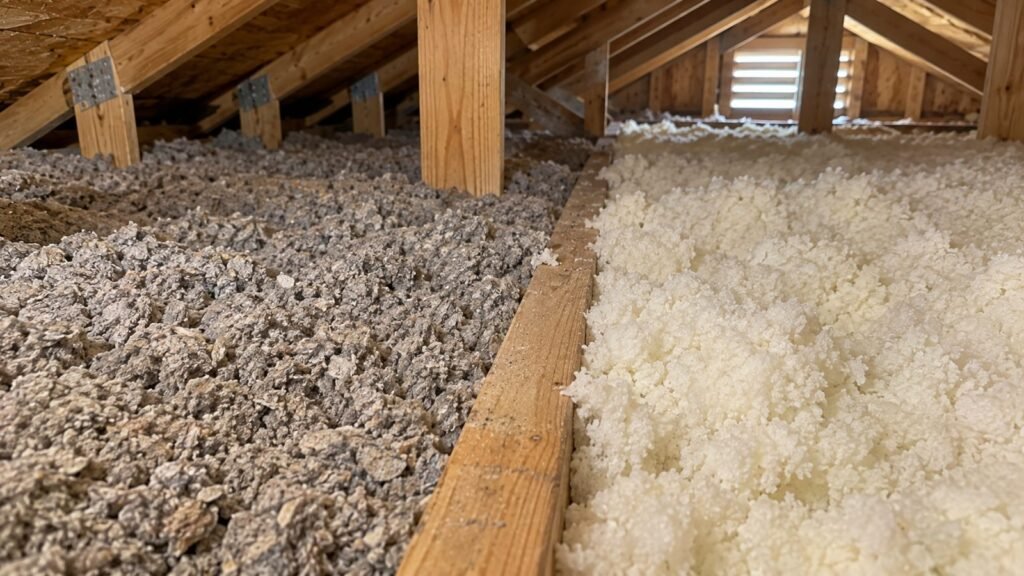
Fiberglass is made from tiny glass fibers. The glass is melted and spun into thin strands. These strands trap air, which helps slow heat from moving through your walls and attic. Fiberglass is often made into rolls or batts. In contrast, cellulose is mostly made from recycled paper, such as old newspapers. The paper is treated to resist fire and pests. It comes in loose form and is usually blown into your attic using special machines.
How Are They Installed?
Fiberglass batts or rolls are cut to fit spaces between wall studs or attic joists. You can install fiberglass yourself if you wear protective gear. However, the tiny glass fibers can irritate your skin and lungs. Cellulose is blown or sprayed into spaces using professional machines. Experts usually handle this kind of work. The blown cellulose fills cracks and gaps better, helping to seal your attic tightly.
Handling Heat
Both materials work by trapping air to slow heat flow. Cellulose has a slightly higher ability to block heat, which means it can help keep your home cooler during the hot Florida summers. Fiberglass also does a good job but may let more heat pass through because of the way it is installed and how it settles over time.
Handling Humidity and Moisture
Florida is humid, so moisture is an issue to consider. Fiberglass resists moisture better because glass fibers do not absorb water. This helps keep insulation dry and prevents mold growth. Cellulose can absorb moisture if not properly treated. Wet cellulose can settle and lose effectiveness. That makes it important to have proper moisture barriers and ventilation when using cellulose in humid areas.
Settling Over Time
Fiberglass generally keeps its shape and thickness over time, especially when installed carefully. Cellulose is denser but can settle and compact in your attic. This settling reduces its thickness and insulation power if it gets damp or is not installed well. Proper installation helps limit settling for cellulose, but homes with high moisture may see more issues with it.
Pests
Fiberglass does not attract pests because it is made of glass. Cellulose is made from paper, which can attract insects and rodents. To reduce this risk, cellulose is treated with pest-repelling chemicals. Still, some pests may nest if insulation is damaged or wet. Regular home inspections can help keep pests away regardless of the insulation you use.
Fire Safety
Fiberglass is naturally fire-resistant since it is made of glass. Cellulose is treated with fire retardants to slow burning. Both materials meet safety standards, but fiberglass has an edge because it does not burn or emit smoke. Cellulose’s fire safety depends on proper treatment and installation.
When Does Each Insulation Make Sense?
Fiberglass is a good choice when:
- You want a lower cost option with decent performance.
- You prefer to do some installation yourself with safety gear.
- Your home has issues with moisture or pests.
Cellulose is a good choice when:
- You prefer better air sealing and heat blocking.
- You want an eco-friendly option that uses recycled materials.
- You plan professional installation to get the best coverage.
- Your home is older and needs insulation that fills gaps well.
Quick Comparison of Fiberglass and Cellulose
Which Should You Pick?
If you want a lower-cost option that you can install yourself and that holds up well against moisture, fiberglass fits well for Florida homes. It offers solid protection and can save on energy bills when installed properly.
If you want to fill gaps well and get a slightly better seal against heat and air leaks, cellulose can be worth the price. A professional installation is needed to get the best results. Cellulose works great for older homes or when you want to choose a greener option.
Both choices have good points. Think about your home’s needs, your budget, and your comfort goals. If you want more guidance, REINSULATE, a veteran-owned company serving Manatee and Sarasota counties, can help you decide. Our team offers free attic inspections and personalized advice.
Get a Free Attic Inspection
REINSULATE is a veteran-owned company offering insulation services in Manatee and Sarasota counties. They provide free estimates to homeowners considering attic insulation in Florida. Right now, REINSULATE has a limited-time offer: get free garage attic insulation (up to 500 sq ft) when you remove and replace your home’s attic insulation. Terms apply.
Visit letsreinsulate.com/free-garage-insulation/ to see if you qualify. Or call 941-705-0305 to schedule your free attic inspection and get personalized advice for your home’s insulation needs.
