
By Daniel Myrand, REINSULATE LLC
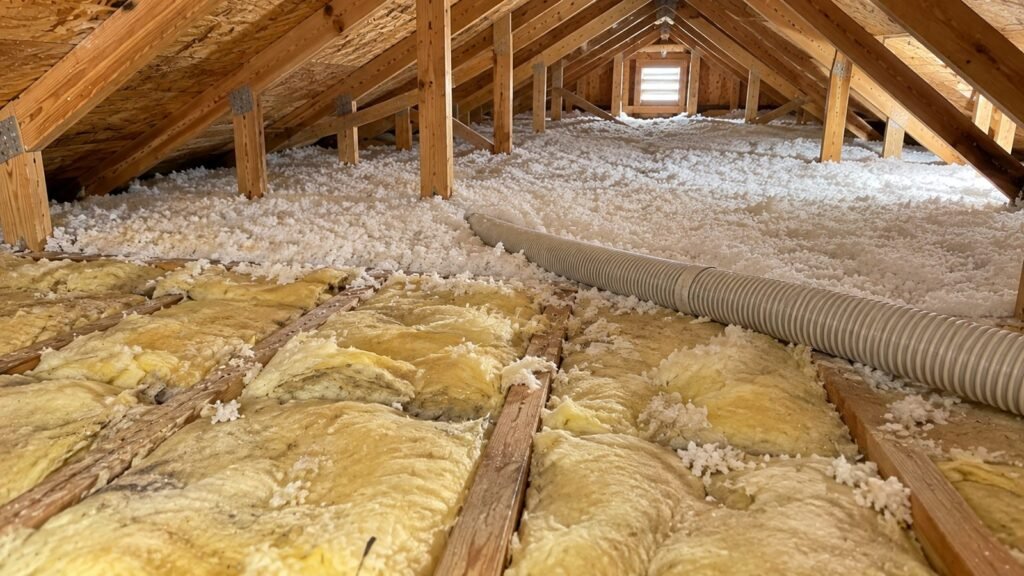
Blown-in insulation fills irregular spaces and attics with fewer gaps than batt insulation, giving better coverage around wiring and joists. Batt insulation fits standard stud spacing, and pricing varies by package, so it’s best to contact us directly for details. Homeowners in Bradenton, Sarasota, and Manatee County get the most benefit from blown-in insulation because it performs better for energy efficiency and air sealing in Florida’s humid climate.
Blown-in insulation also fills hard-to-reach attic areas very well. Batt insulation resists compression and settling so it keeps its R-value longer and is easier to remove if you need to do work in the attic. This makes batt a good choice when you want insulation that lasts and is more convenient for future access.
For most attics, blown-in insulation wins because it fills gaps and odd corners without leaving cold spots that batt insulation misses. Attics lose insulation effectiveness over time which hurts your energy efficiency. Blown-in insulation restores full coverage fast. Batt still works well in open wall cavities but attics do better with blown-in’s seamless blanket.
Key Takeaways
- Blown-in insulation fills gaps and hard-to-reach areas, giving better coverage in irregular attic spaces.
- Batt insulation maintains its effectiveness without compressing or settling as some blown-in types might.
- Pricing varies by package. Contact us directly to compare costs for blown-in vs batt insulation for your home.
- Homeowners may qualify for financial incentives, rebates, and federal tax credits when upgrading attic insulation in Florida.
Why Does Your Attic Insulation Even Matter?
Old attic insulation loses its power and Florida heat speeds that up. Attics lose insulation effectiveness over time which hurts energy efficiency, especially after years baking in a Manatee County sun. That loss affects how hard your AC has to work every day.
We see this often in Bradenton homes built decades ago when insulation standards were lower. The material flattens, breaks down, and stops doing its job. When looking at blown-in vs batt insulation options for re-insulating, the main question is: what gets the attic back to a real R-value fast?
What R-value should a Florida attic actually have?
The U.S. Department of Energy recommends around R-30 to R-49 for attics in our climate. Many attics may not meet these standards anymore due to old, worn-out insulation.
Does fresh insulation really lower energy bills?
Yes. The process is simple. We remove the old, failing insulation and blow in fresh insulation. The AC then stops running all the time and your bills go down.
Here’s what failing attic insulation costs over time:
- AC cycles constantly because it struggles to keep up
- Rooms have uneven temperatures—hot upstairs, cold downstairs
- Monthly energy bills go up year after year
Any fair blown-in vs batt insulation comparison starts with understanding how important good R-value is. We explain both types to help you understand your options.
What’s the Real Difference Between Blown-In and Batt?
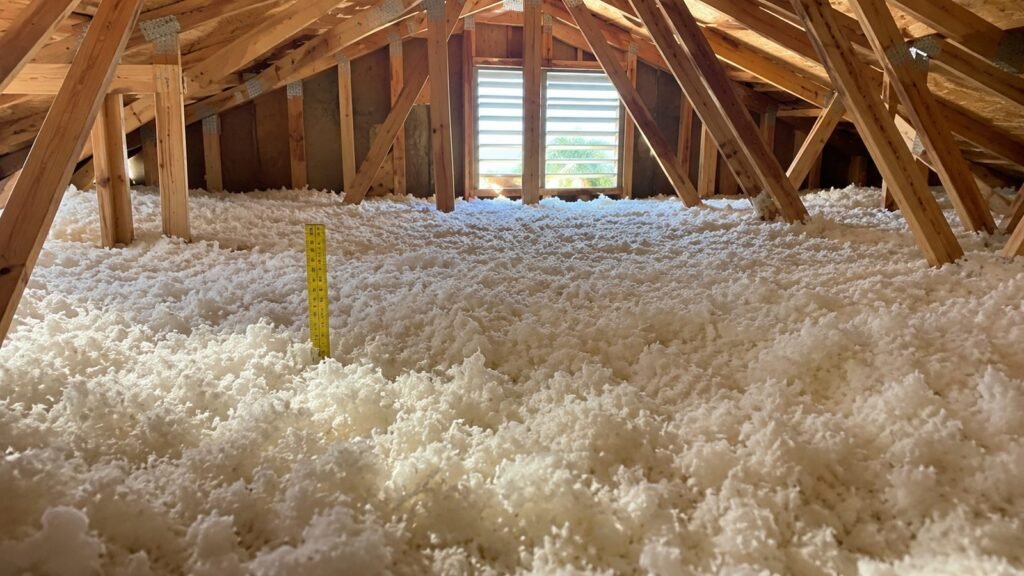
These two materials come from different starting points. Blown-in insulation is loose fiberglass or cellulose, both made from recycled content, blown into the attic with special machines until it fills every gap and corner. Batt insulation is fiberglass rolls or blankets, cut and laid by hand between joists and studs.
Here’s a quick side-by-side of how they’re made and installed:
Why does this matter for attic insulation in Florida?
We see the effects of this difference in Manatee County every week. Years of Florida heat and humidity break down old insulation making it lose effectiveness. What matters most is whether the insulation still works well.
Can a home use both types?
Many homes have both. Our crews handle blown-in and batt insulation. We do roll installation as part of full re-insulation jobs across the county. We also offer removal and replacement, walls, crawl spaces, and radiant barrier work. That way, anything failing in your attic gets fixed right, not just patched.
Which Option Wins for Florida’s Summer Heat?
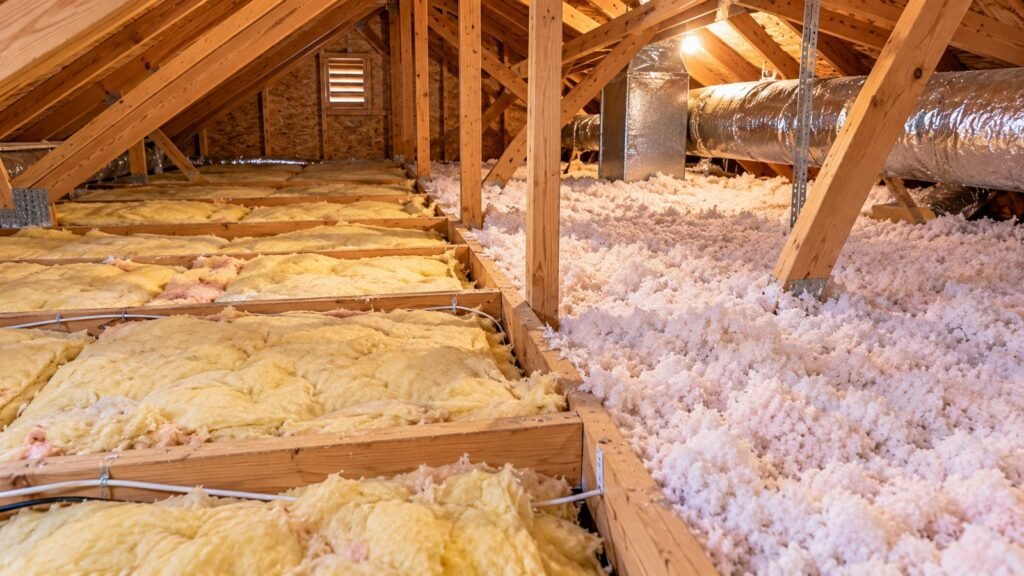
Blown-in insulation edges out batt in Manatee County attics under a hot Florida sun. Coverage is the key. Blown-in insulation settles into every gap and corner, wrapping around joists that would otherwise let heat pass down to the rooms below. This full coverage matters more in our climate than in cooler ones. Missed spots don’t cost as much in places with milder weather.
We’ve seen both materials work well. The best choice depends on what you value most. When we’re in a customer’s attic, here’s how we explain it:
- Blown-in insulation: fills gaps and hard-to-reach spots more fully. Covers joists better and blocks heat transfer into ceilings below.
- Batt insulation: holds its shape over years without sagging. Keeps its R-value steady long term. Works well in attics with simple, open framing.
Does blown-in insulation really keep the house cooler?
Yes. It’s about full coverage. When you compare blown-in vs batt insulation side by side, blown-in wins on coverage because it gets into every nook that batt might miss. It also covers joists that carry heat down.
Is batt insulation ever the smarter pick for Florida attics?
Batt insulation lasts over time without sagging, which matters if you plan to stay in your house for a long time. But for most Bradenton attics facing daily heat, we lean toward blown-in insulation. Replacing old material with new blown-in insulation helps the AC run less and cuts bills.
Does Coverage or Convenience Matter More to You?
Your priorities decide the winner. Many homeowners watching their budget pick blown-in insulation. Those planning future attic work tend to choose batt. Our job is to explain both so the choice fits your house, not just a sales pitch.
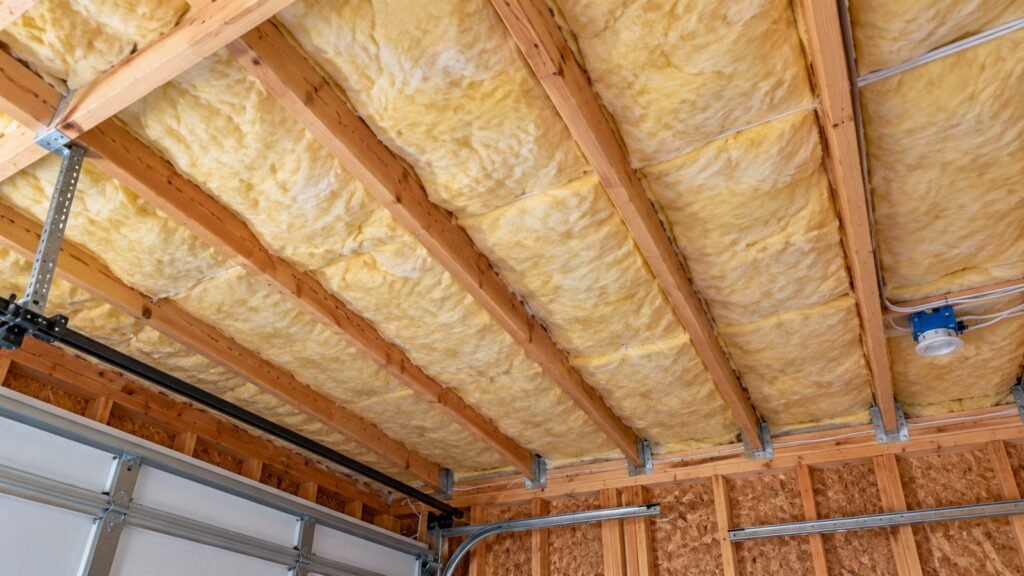
When we talk about blown-in vs batt insulation, it comes down to two strengths. Blown-in gets into every nook in the attic. It fills gaps around joists and hard corners. Pricing depends on the job size, so it’s good to get a free estimate if you need to redo your entire attic. Batt trades some of that flexibility for convenience. It comes in pre-cut sections that can be lifted and put back easily.
Which one is easier to work with later?
Batt insulation is easier here. If you add recessed lights, a new attic fan, or do maintenance later, batt pieces come out and go back in with little fuss.
Think of it like this when comparing blown-in vs batt insulation options:
- Coverage: Blown-in fills gaps better, especially around framing.
- Cost: Pricing varies by job size. Contact us for a free estimate.
- Future access: Batt is easier to remove and replace for repairs or upgrades.
- Fit: Batt keeps its shape, which is good if you need frequent attic access.
Neither is automatically better. It depends on how you plan to use your attic. That’s why we offer free estimates and fair pricing without trying to upsell.
So Which Insulation Is Right for Your Home?
The answer depends on your attic, not just the product name. Manatee County homes are all different. Some have wide-open attics perfect for blown-in insulation. Others have tight spots or wiring that need batt and roll. We inspect your space first, then recommend what fits best for your home.
Get a Free Attic Inspection
REINSULATE is veteran-owned and serves homes in Manatee and Sarasota counties. We offer free estimates and are running a limited-time offer: get free garage attic insulation (up to 500 square feet) when you have your home’s attic insulation removed and replaced. Terms apply.
Visit letsreinsulate.com/free-garage-insulation/ to see if you qualify, or call 941-705-0305.
