DIY vs. Professional Insulation: Costs, Benefits, and What Works Best
Deciding between doing insulation yourself and hiring a pro comes down to money, time, and the results you want. This guide walks through costs, benefits, and common methods so you can pick the approach that fits your home and budget. Fiberglass, spray foam, and cellulose each perform differently in R-value, installation ease, and long-term savings, we explain those differences so you can make a clear choice.
We cover the best insulation methods, realistic pros and cons of DIY projects, the advantages of professional installation, and how to judge costs and ROI. By breaking these pieces down, including safety, local rules, and maintenance, you’ll understand both the practical and financial sides of insulating your home.
Key Takeaways
- Fiberglass, spray foam, and cellulose are the main insulation types; each has different R-values and installation needs.
- Spray foam delivers the strongest air seal and highest efficiency, but usually needs professional installers.
- DIY can cut labor costs, but risks installation errors that hurt performance and safety.
- Professionals make code compliance simple and often back their work with warranties.
- Typical material costs: DIY ranges about a competitive per-square-foot range; professional labor adds roughly a competitive per-square-foot range
- Use proper safety gear and follow regulations to avoid health risks during installation.
- Best insulation depends on climate, home layout, budget, and long-term energy goals.
- Routine inspections help prevent moisture, settling, and other problems that reduce effectiveness.
- Well-installed insulation can boost resale value by improving comfort and lowering utility bills.
What Are the Best Insulation Methods for Your Home?
Picking the right insulation impacts comfort and energy bills. The three most common choices, fiberglass, spray foam, and cellulose, each have clear pros and cons depending on where and how you use them.
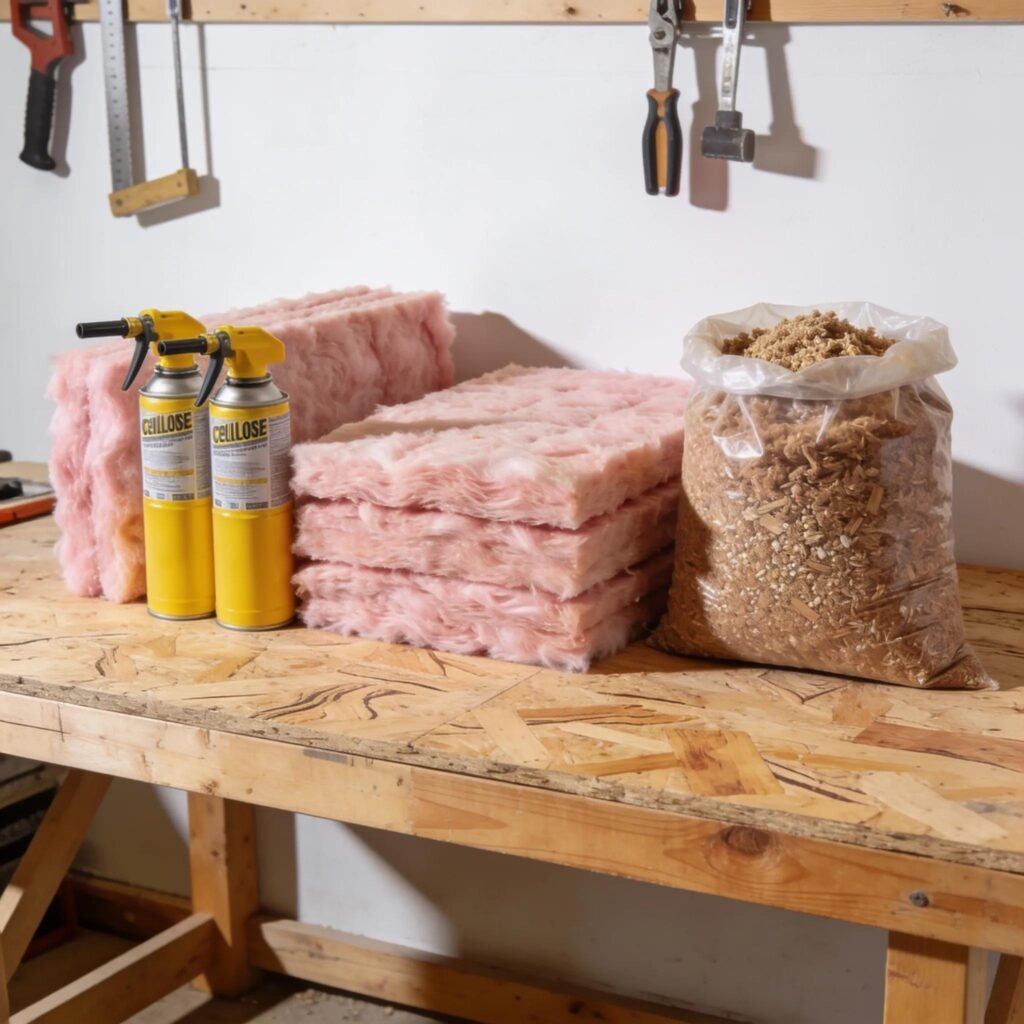
Fiberglass is affordable and widely available, offering reasonable thermal resistance for many jobs. Spray foam shines at sealing gaps and works great in irregular or hard-to-reach cavities. Cellulose uses recycled paper, performs well for sound control, and is a greener option. Knowing how they compare on cost, installation difficulty, and performance helps you choose the right material for your project.
How Do Fiberglass, Spray Foam, and Cellulose Insulation Compare?
Compare these materials by R-value, price, and ease of installation. Here’s a quick breakdown:
- Fiberglass Insulation: R-value typically between 2.9 and 4.3 per inch. One of the cheapest options is at about a competitive per-square-foot range Many homeowners can install it with basic tools, though protective clothing and masks are important.
- Spray Foam Insulation: Higher R-value, roughly 6.0 to 7.0 per inch. Costs more upfront (about a competitive per-square-foot range) but seals air gaps very well, which can lower bills long-term. A professional application is generally recommended for the best results and safety.
- Cellulose Insulation: R-value around 3.2 to 3.8 per inch. The price is similar to that of fiberglass, and it’s an eco-friendly choice. DIY installation is possible, but the correct technique is key to avoiding settling and gaps.
Which Insulation Materials Offer the Best Energy Efficiency and Safety?
Energy performance and safety vary by material.
- Energy Efficiency Ratings: Spray foam usually ranks highest because it expands to seal cavities and limit air leaks. Fiberglass performs well when installed correctly; cellulose insulates effectively but can settle over time if not properly installed.
- Safety Features: Spray foam can emit VOCs during installation, so proper ventilation and professional handling are important. Fiberglass can irritate skin and lungs without protection. Cellulose is treated for fire resistance and is generally kinder to indoor air if installed correctly.
DIY Insulation: What Are the Pros, Cons, and Real Savings?
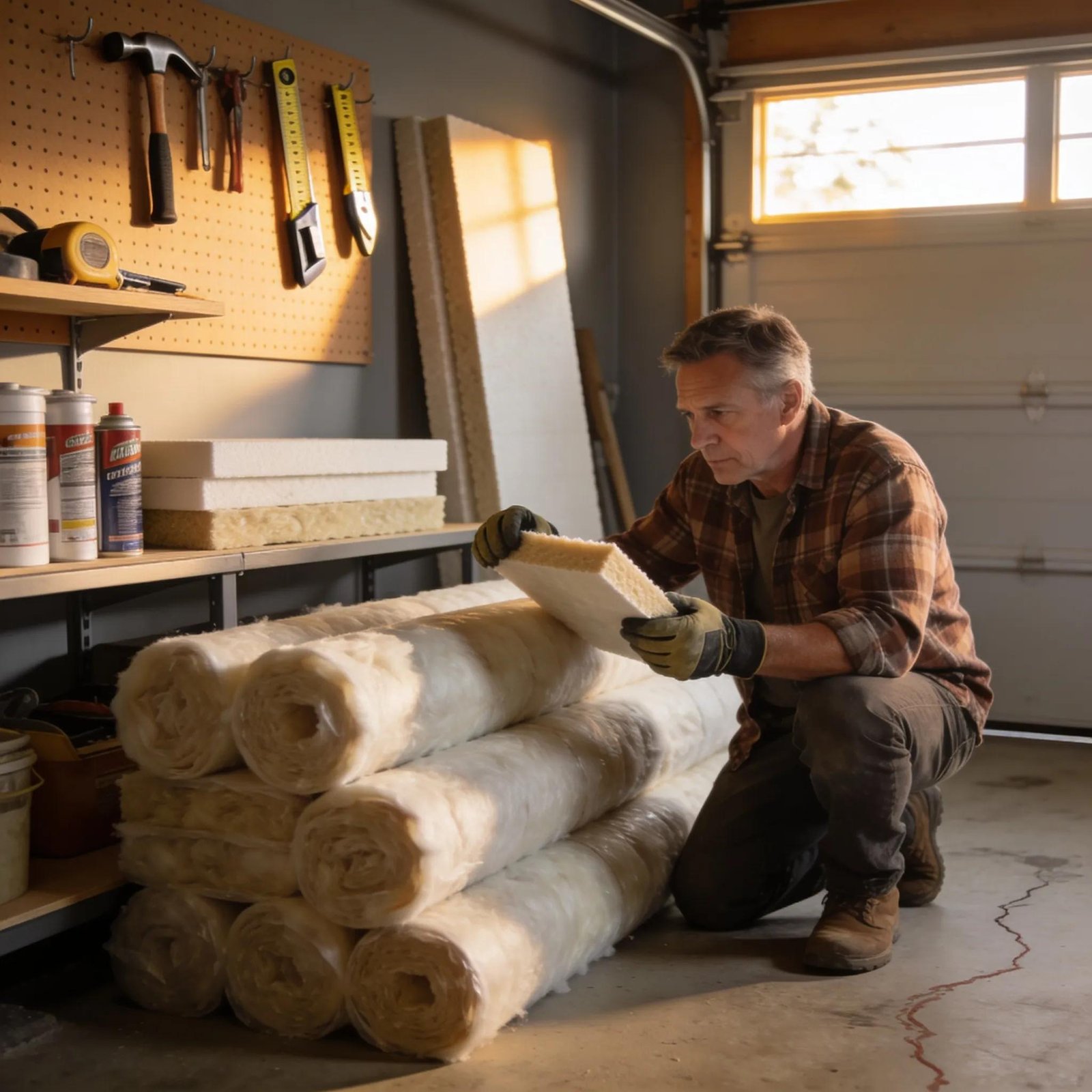
DIY insulation can save you hundreds to thousands of dollars, but it’s not always the best route. This section looks at where DIY makes sense and where it can backfire.
Labor is the biggest savings with DIY, it often removes 30–50% of the total project cost. Which materials you pick and how skilled you are will determine your true savings.
Mistakes such as gaps, incorrect thickness, or missed air leaks can reduce expected energy savings and may require rework. Weigh the immediate savings against the risk of reduced performance or added costs later.
Is DIY Insulation Cost-Effective Compared to Professional Services?
DIY can be cost-effective if you have time, basic skills, and the right tools. Material-only prices generally run a competitive per-square-foot range, depending on the product. But hidden costs, fixes, waste, or lower-than-expected performance, can erode those savings. Pros who follow code and best practices can save you money over time with a reliable installation.
What Safety Risks and Installation Challenges Should You Watch For?
DIY projects come with safety and technical challenges. Key concerns include:
- Safety Hazards: Fiberglass can irritate the skin and lungs, use gloves, a mask, and eye protection. Spray foam requires professional handling to avoid chemical exposure.
- Installation Difficulties: Gaps, compressed batts, or uneven coverage reduce R-value and can lead to cold spots or moisture issues.
- Regulatory Compliance: Local building codes may require specific materials or methods, noncompliance can cause problems at inspection or resale.
Why Consider Professional Insulation Installation in Bradenton?
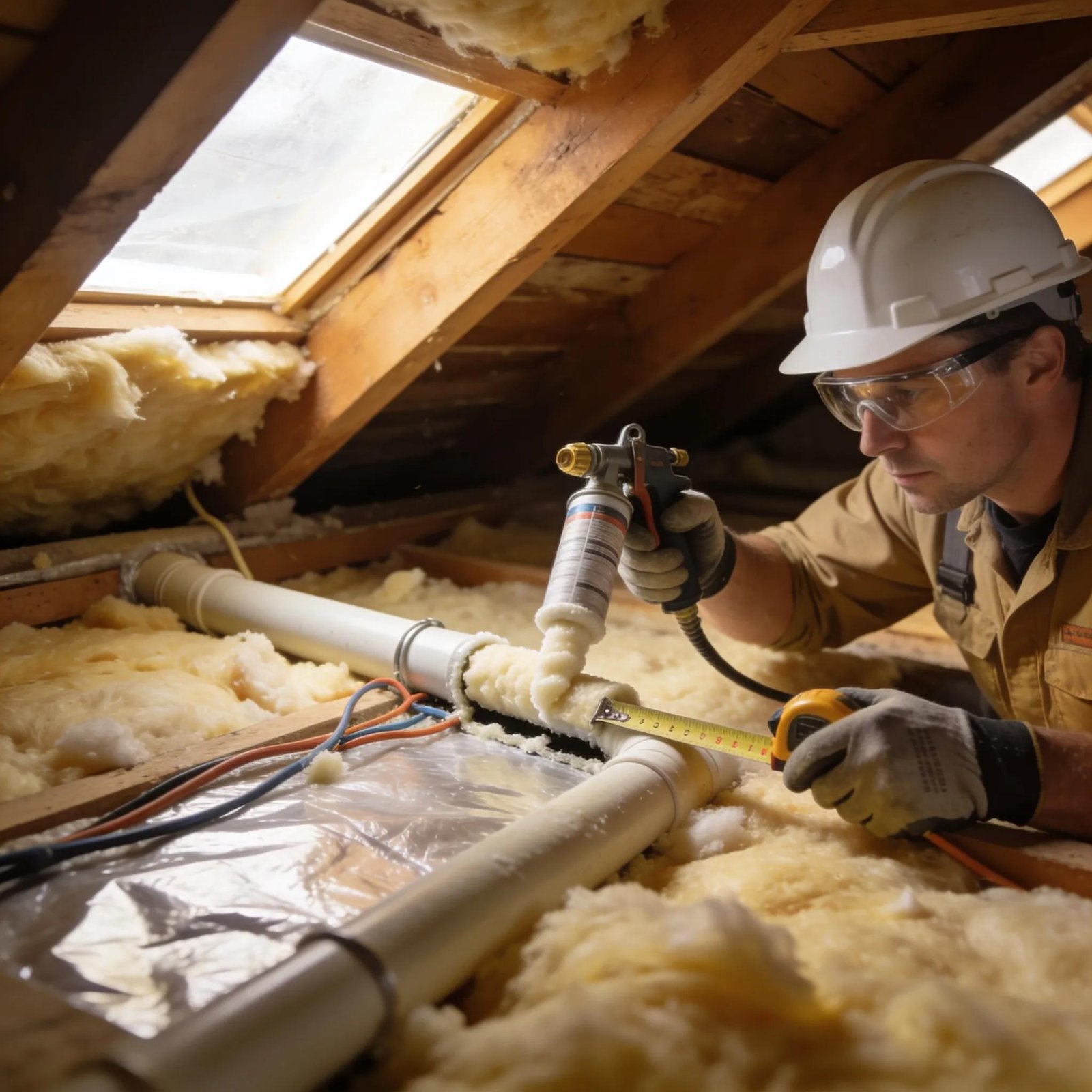
Hiring a licensed contractor in Bradenton gives you local expertise, code compliance, and often a workmanship warranty. Pros can diagnose problem areas, recommend the best material, and complete the job safely and cleanly.
Professionals ensure installations comply with local building codes and usually back their work with warranties that protect your investment and simplify future inspections or sales.
How Do Licensed Contractors Ensure Quality and Warranty Coverage?
Contractors bring training, tools, and experience that reduce installation errors. Most reputable companies offer written warranties that cover materials and labor for a set period, giving you recourse if problems arise. They’ll also size and install insulation to meet your home’s performance expectations.
What Local Bradenton Regulations and Contractor Tips Should You Know?
Working with local rules and vetting contractors helps avoid surprises:
- Local Building Codes: Check Bradenton-specific requirements to ensure materials and methods comply.
- Contractor Selection Tips: Read reviews, verify licenses and insurance, and ask for references before hiring.
- Key Questions: Ask about warranties, materials, and experience with the insulation type you want.
How Do Insulation Installation Costs and ROI Compare: DIY vs Professional?
Comparing costs and ROI helps you decide whether to DIY or hire a pro. Material prices for DIY typically range from a competitive per-square-foot range; professional jobs add a competitive per-square-foot range for labor. Proper installation often pays back through lower energy bills over several years.
Professional installs can improve long-term savings and reduce the chance you’ll need costly rework, improving overall ROI.
What Are Typical Cost Components for DIY and Professional Installation?
Insulation expenses usually break down into material, equipment, and labor categories.
These ranges show the potential savings of DIY work while highlighting the value of professional know-how for consistent, long-lasting results.
How Long Does Installation Take and How Does It Impact Your Savings?
Project time affects disruption and how quickly you see energy savings:
- DIY Installation: Expect 1–3 days for a full project, depending on the home’s size and complexity.
- Professional Installation: Pros often complete the installation in a day and minimize disruption.
Faster, correct installation means greater energy savings and a lower chance of weather or pests compromising the work.
What Safety Tips and Compliance Guidelines Should You Follow During Insulation Installation?
Follow these basics to keep your project safe and code-compliant.
- Essential Safety Gear: Wear gloves, goggles, and a suitable mask when handling fiberglass or other irritants. For spray foam, rely on trained applicators and proper ventilation.
- Building Code Compliance: Always follow local codes, they dictate materials, R-values, and placement for safe, effective insulation.
- Post-Installation Checks: Inspect for gaps, confirm adequate ventilation, and ensure the insulation is evenly applied.
How Can You Avoid Common Insulation Installation Hazards?
Reduce risks with straightforward steps:
- Proper Planning: Map the work area, pick the right materials, and review local rules before you start.
- Secure Storage: Keep insulation dry and covered to prevent moisture damage.
- Ventilation: Aerate the work area when installing spray foam or when cutting fiberglass to limit dust and fumes.
These measures help ensure a safer, more effective project, whether you DIY or hire a pro.
What Building Codes and Warranty Terms Matter Most for Home Insulation?
Know the code and warranty basics before you buy or install:
- Local Building Codes: Codes set minimum R-values, fire safety measures, and acceptable installation methods.
- Warranty Coverage: Read the warranty limits and terms to understand what’s covered for materials and labor.
Where Can You Find Trusted Professional Insulation Services in Bradenton?
Finding a reliable local contractor is about research and verification. These steps make the search easier:
- Researching Options: Search local companies with insulation experience and read customer reviews to shortlist candidates.
- Evaluating Contractor Credentials: Confirm licensing and insurance to protect yourself and ensure code compliance.
- Customer Reviews: Look for consistent feedback about quality, timeliness, and clean job sites.
How to Choose the Right Contractor: Credentials and Customer Reviews
When hiring, prioritize proven credentials and clear estimates:
- Licenses and Certifications: Verify they’re licensed and insured to work in Bradenton.
- Transparent Estimates: A good contractor gives a detailed, written quote that explains all costs.
- Follow-Up Support: Ask about post-installation service and warranty response times.
What Questions Should You Ask Before Hiring a Professional Installer?
Get clear answers to these questions before you decide:
- What is the timeline for completion? Know how long the job will take and how it may disrupt your home.
- What materials do you recommend and why? A solid contractor explains choices based on your home, climate, and budget.
- Can you provide references from previous clients? Speaking with past customers reveals real-world performance and reliability.
Choosing the right insulation method protects comfort and energy efficiency. Whether you do it yourself or hire experts, making informed choices today pays off with lower bills and a more comfortable home tomorrow.
Frequently Asked Questions
What are the environmental impacts of different insulation materials?
Environmental impact varies. Fiberglass is durable and energy-efficient but not biodegradable. Spray foam provides top-tier performance but involves chemicals that can emit VOCs during installation. Cellulose, made from recycled paper, is the most eco-friendly option, it reuses post-consumer materials and breaks down more naturally. Cellulose typically has fewer harmful additives than some alternatives.
How can I measure the effectiveness of my insulation?
Check your insulation’s R-value and visually inspect for gaps, moisture, or settled material. For a more thorough assessment, use a blower-door test or thermal imaging to identify air leaks. Tracking energy bills before and after installation also shows real-world impact. Regular checks help catch problems early.
Are there any financing options for professional insulation installation?
Yes. Many contractors offer payment plans or partner with lenders for financing. Utility companies and local governments sometimes provide rebates or low-interest loans for energy upgrades. Ask contractors about available incentives and compare offers to find the best fit for your budget.
What maintenance is required after insulation is installed?
Maintenance is mostly periodic inspection. Watch for moisture, pest intrusion, or sagging insulation. Ensure vents remain clear and that attic and crawlspace ventilation works properly. Depending on the material and installation, occasional top-ups or targeted repairs might be needed.
How does climate affect my insulation choices?
Climate matters. Colder areas typically need higher R-values (closed-cell spray foam performs well), while warmer regions may benefit from reflective barriers or different strategies to reduce heat gain. Humidity affects material choice too, some insulations can trap moisture and encourage mold if not paired with proper ventilation.
What sizing considerations should I factor into insulation projects?
Proper sizing prevents performance loss. Insulation should fit without compression and cover the full cavity area. Calculate the square footage of walls, attics, or floors to determine material needs and to check local code requirements for recommended thicknesses and R-values.
Can installing insulation impact a home’s resale value?
Yes. Energy-efficient homes are more attractive to buyers. Quality insulation lowers utility costs and improves comfort, both selling points. A professional warranty and documentation of upgrades can further boost buyer confidence and resale value.
Conclusion
Choosing between DIY and professional insulation depends on your skills, budget, and goals. DIY can save money up front, but professional installation often delivers longer-lasting performance, code compliance, and peace of mind. Talk to qualified contractors for a tailored recommendation, and take steps now to improve comfort and cut energy bills.
