Your Go‑To Guide to Home Insulation: Materials, Costs, and Real Energy Savings
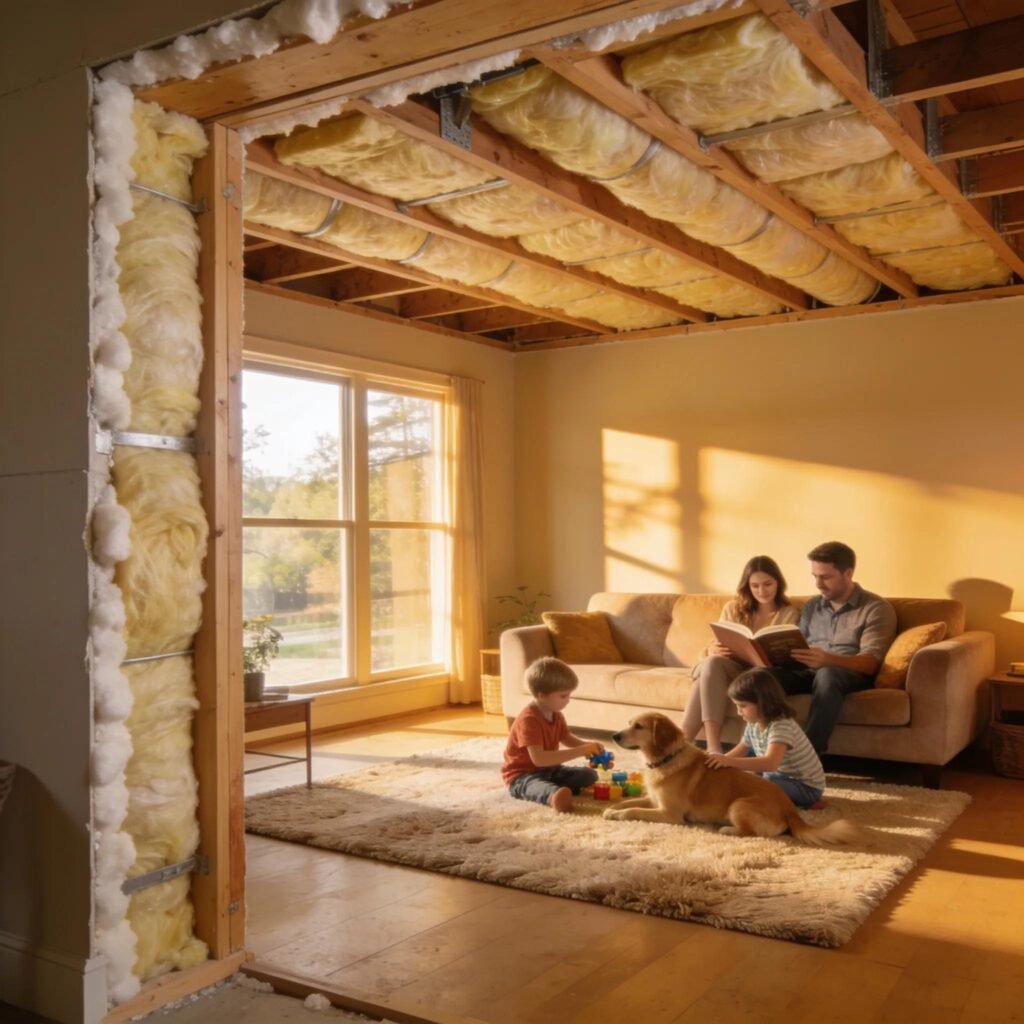
Good insulation is one of the easiest upgrades to make your house more comfortable and less costly to run. Residential insulation comes in several materials and installation methods designed to cut energy use, lower utility bills, and stabilize indoor temperatures. This guide walks through common insulation types, typical costs, and the practical benefits for homeowners. With energy prices rising, many people are deciding which upgrades give the best return, read on to find the options that best fit your home, how attic choices protect your property, typical installation costs, and how to choose and maintain a reliable insulation contractor.
Key Takeaways
- Quality insulation increases comfort, reduces energy use, and lowers monthly utility bills.
- Spray foam offers a high R-value and creates an airtight barrier that limits heat loss.
- Fiberglass is cost-effective but offers a lower R-value and less air-sealing.
- Blown‑in insulation fills irregular attic spaces well and improves overall thermal performance.
- Eco‑friendly options like cellulose cut environmental impact while still insulating effectively.
- Installation costs vary by material, labor, and project size, generally around a competitive per-square-foot range.
- Upgrading insulation can reduce energy bills by roughly 15–30% per year through better thermal resistance.
- Hiring experienced, licensed contractors helps ensure proper installation and long‑term performance.
- Regular inspections and timely repairs prevent energy loss and address moisture or mold issues early.
What Are the Best Insulation Materials for Your Home?
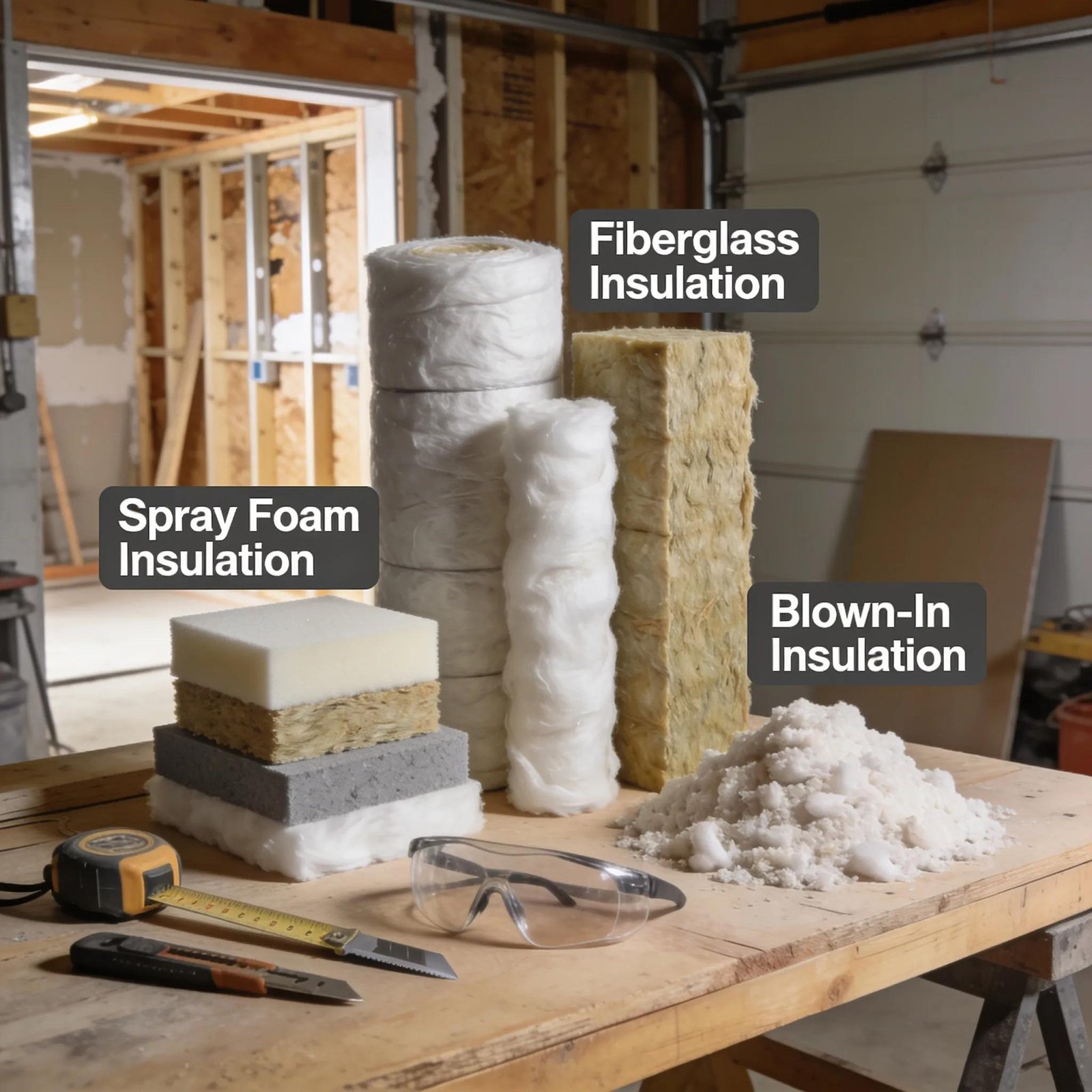
Insulation varies by material, performance, and ideal application. Knowing the differences helps you pick the right product for each part of your home. The most common choices are fiberglass, spray foam, and blown‑in insulation, each has tradeoffs depending on location and budget.
Why Is Spray Foam Insulation So Effective?
Spray foam expands to seal cracks and gaps, forming an airtight barrier that reduces drafts and thermal bridging. It has a high R‑value per inch, so it performs well in tight or irregular spaces. That airtight seal often leads to lower heating and cooling costs and steadier indoor temperatures year‑round.
How Does Fiberglass Stack Up for Cost and Performance?
Fiberglass is popular because it’s affordable and easy to install in batts or rolls for walls, attics, and floors. Upfront costs are usually lower than spray foam, but its R‑value per inch is typically less, and it doesn’t provide the same air‑sealing benefits. In many homes, pairing fiberglass with targeted air sealing gives the best balance of price and efficiency.
How Do Different Types of Attic Insulation Protect Your Home?
The attic has a major impact on a home’s energy performance. When choosing attic insulation, consider R‑value, installation method, and how the material handles airflow and moisture, these determine how well it blocks heat gain and loss.
Why Choose Blown‑In Insulation for Attics?
Blown‑in insulation works well in attics with odd shapes or hard‑to‑reach spaces. Loose‑fill materials settle into gaps and crevices for more consistent coverage and more effective R‑values in irregular areas. Installation is fast and minimally disruptive, and the improved thermal barrier can deliver real energy savings over time.
When Should You Consider Eco‑Friendly Insulation?
If sustainability matters, consider cellulose or natural fibers like sheep’s wool. Cellulose is often made from recycled paper, which lowers production impact, and many products are treated for fire resistance. Choosing eco‑friendly insulation can improve indoor air quality and reduce your home’s carbon footprint without sacrificing performance.
How Much Does Home Insulation Installation Really Cost?
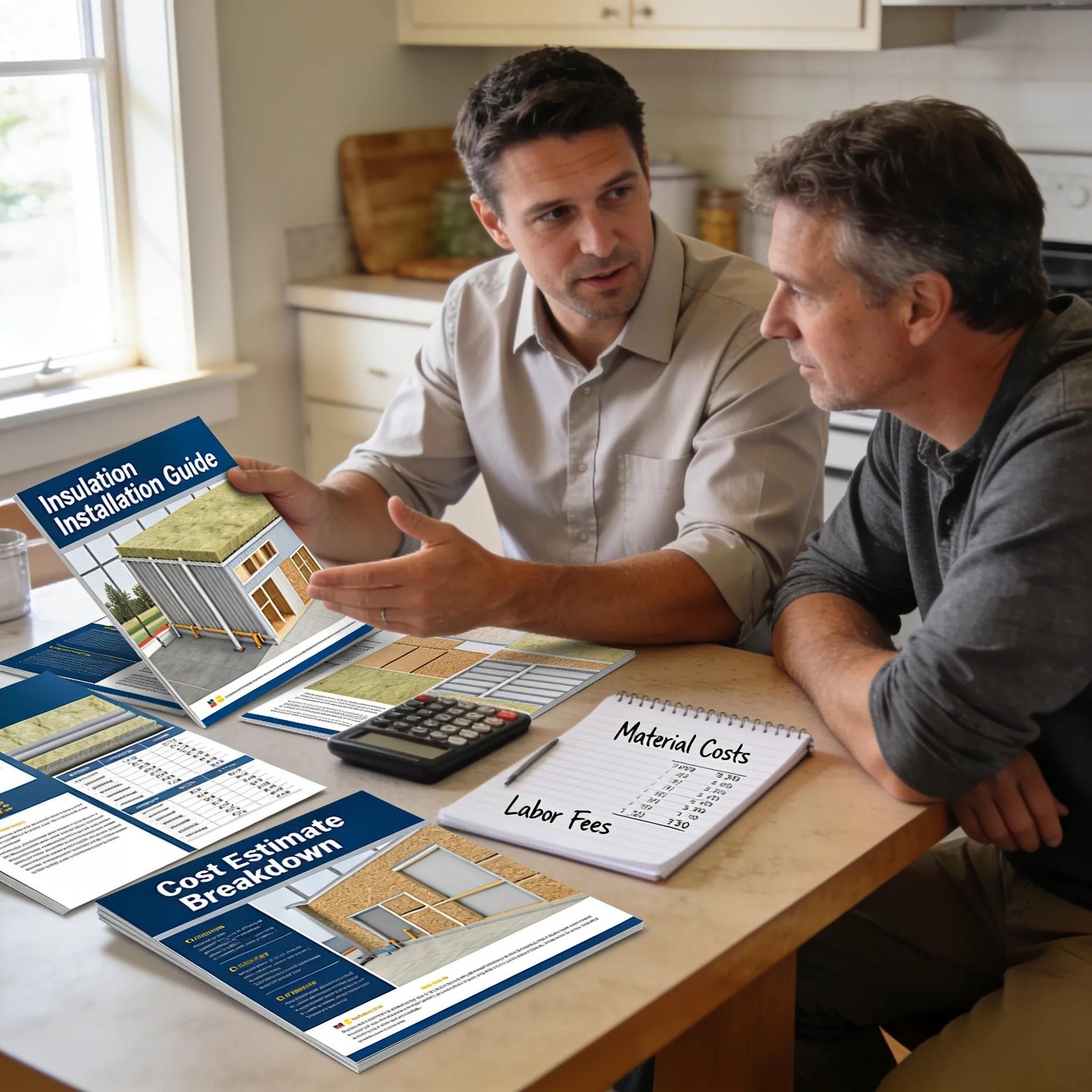
Costs depend on material, installation method, and project size. As a rule of thumb, expect roughly a competitive per-square-foot range, though specialized materials or hard access can increase the price. Getting several quotes helps you compare true project costs and scope.
What Affects Residential Insulation Installation Prices?
Several factors influence installation cost, including:
- Material Choice: Different materials have different price points. Spray foam tends to cost more, while fiberglass is usually more affordable.
- Labor Costs: Experienced installers may charge more, but skilled labor helps ensure a correct, long‑lasting job.
- Area Size: The square footage of the space being insulated directly affects total material and labor costs.
How Can Upgrading Insulation Save You Money?
Upgrading to higher-R-value materials and improving air sealing reduces strain on your heating and cooling systems. Many homeowners see energy savings of about 15–30% a year after an effective upgrade, plus a more comfortable home with fewer drafts and temperature swings.
How to Choose the Right Home Insulation Contractor?
Picking the right contractor makes a big difference in insulation performance. Look for companies with clear experience, adherence to building codes, and open communication about scope, timeline, and warranties.
- Experience: Choose contractors with a proven track record and a portfolio of completed insulation projects.
- References: Ask for client references to verify satisfaction and workmanship.
- Credentials: Confirm the contractor holds the licenses and certifications needed for insulation work in your area.
Questions to Ask Before Hiring an Insulation Pro
Before you hire, be sure to ask:
- What types of insulation do you specialize in?
- Can you provide a written estimate based on the project scope?
- What warranty do you offer for your work?
Where to Find Trusted Local Insulation Contractors
Try these sources to find reputable local professionals:
- Read reviews on trusted online review sites
- Ask staff at local home improvement stores for referrals
- Get recommendations from friends, family, or neighbors
When and How Should You Maintain or Replace Home Insulation?
Routine inspections and maintenance keep insulation performing as intended. Over time, materials can settle, compress, or suffer moisture damage, reducing effectiveness and sometimes requiring repair or replacement.
How Long Does Residential Insulation Last?
Insulation lifespan varies by material and conditions, roughly 20 to 100 years. For example, fiberglass can last up to about 80 years in good conditions, while cellulose typically lasts 20–30 years. Regular checks help you catch issues early.
Signs It’s Time to Replace Your Insulation
Watch for these signs that indicate repair or replacement may be needed:
- Increased Energy Bills: A sudden or steady rise in heating or cooling costs can signal failing insulation.
- Temperature Fluctuations: Noticeable drafts, cold spots, or uneven heating and cooling suggest insufficient insulation or air leaks.
- Moisture or Mold: Damp insulation, visible mold, or persistent moisture problems mean the material is compromised and should be addressed promptly.
Understanding these factors helps homeowners improve comfort and reduce energy costs.
Frequently Asked Questions
What Are the Health Benefits of Proper Insulation?
Proper insulation helps control indoor temperatures and reduces conditions that promote mold and dampness, improving indoor air quality. Some eco‑conscious products contain fewer volatile chemicals, which can be better for sensitive occupants. Correct installation also helps create a healthier, more comfortable living environment.
Can You Install Insulation Yourself?
Smaller projects, such as installing fiberglass batts, can be DIY if you follow safety guidelines and installation instructions. Larger jobs and materials like spray foam are best handled by professionals with the right equipment and training. Improper installation can reduce performance and raise long‑term costs.
Does Insulation Affect Home Resale Value?
Yes. Upgrading insulation can make your home more attractive to buyers by lowering projected energy costs and improving comfort. Energy‑efficient homes often sell faster and for higher prices, so insulation upgrades can boost resale appeal.
Are There Grants or Incentives for Insulation Upgrades?
Many local, state, and federal programs offer rebates or tax credits for energy‑efficiency improvements like insulation. Check government energy sites and utility programs for current incentives and eligibility before you start a project.
How Can I Assess the Effectiveness of My Current Insulation?
Begin with a visual inspection for gaps, compression, or moisture. For a thorough assessment, consider a professional energy audit, audits identify air leaks, insufficient insulation, and other issues so you can target the most effective upgrades.
What’s the Difference Between R‑Value and Thermal Conductivity?
R‑value measures how well insulation resists heat flow, higher numbers mean better insulation. Thermal conductivity describes how readily heat passes through a material, lower conductivity means better insulating performance. Both metrics help you compare products and choose the right material for your climate and application.
How Can I Improve Insulation in an home?
homes often need targeted solutions: inspect existing insulation for gaps or damage, add modern materials such as spray foam in tight areas, or use blown‑in cellulose in wall cavities. Sealing gaps and updating ventilation can also make a big difference. Consulting a professional helps ensure upgrades meet current codes and deliver lasting efficiency gains.
Conclusion
The right insulation can noticeably improve comfort and reduce long‑term energy costs. Knowing material differences, understanding installation costs, and hiring competent contractors will help you make smart choices for your home. Start by checking your current insulation, getting multiple quotes, and contacting qualified pros to move toward a more energy‑efficient home today.
