Comprehensive Home Energy Audit Services: Find and Fix Energy Loss in Your Home
A home energy audit helps homeowners improve comfort and lower utility bills by revealing how a house uses energy and where it leaks. These detailed assessments evaluate insulation, HVAC performance, and appliances to uncover waste and recommend practical upgrades. With a clear picture of problem areas, you can prioritize improvements that deliver measurable savings. This article explains why audits matter, the technologies auditors use, and how re-insulating homes can improve efficiency. We also cover the best insulation choices and how to get accurate estimates for upgrades.
Key Takeaways
- Energy audits pinpoint inefficiencies so you can boost comfort and cut utility costs effectively.
- Thermal imaging and blower door testing reveal heat loss and air leaks in homes.
- Attic inspections check insulation, ventilation, and moisture to improve savings and comfort.
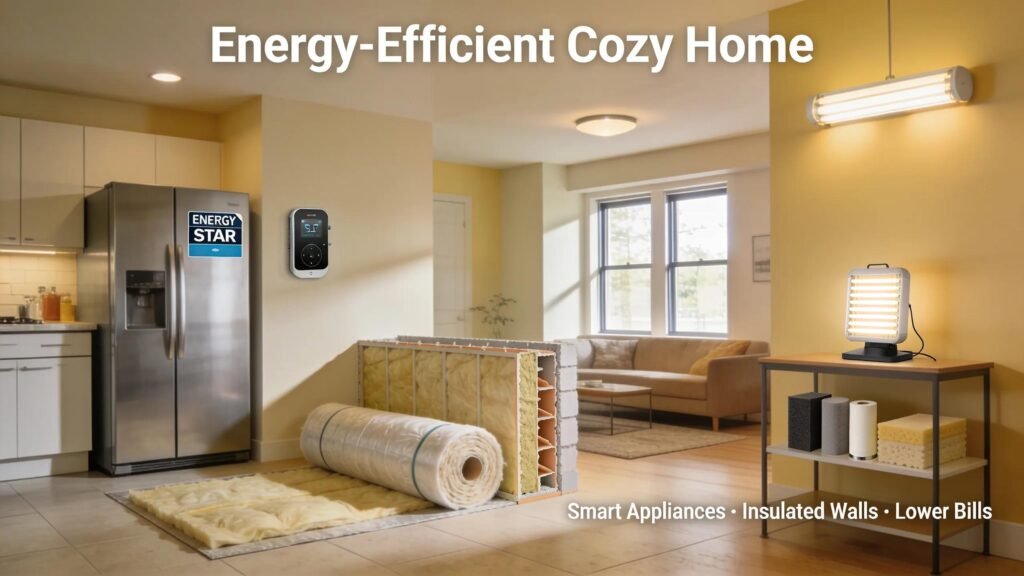
- Blown-in and batt roll insulation perform best in different locations to improve thermal performance and reduce noise.
- Upgrading wall insulation addresses drafts and uneven temperatures for better overall efficiency.
- Re-insulating homes reduces heating and cooling bills by sealing air leaks and improving thermal resistance.
- Audit-driven improvements have reduced energy bills by up to 30% in documented cases.
- Free insulation estimates let homeowners compare options and plan cost-effective upgrades.
- Professional audits deliver detailed findings and tailored recommendations to maximize efficiency.
What Is a Home Energy Audit and Why Is It Essential?
A home energy audit is a systematic review of a residence’s energy use that identifies inefficiencies and recommends fixes. Auditors typically assess insulation, heating and cooling systems, and major appliances. These audits give homeowners clear insight into where energy is wasted and the expected benefits of targeted improvements. The result is often lower bills, greater comfort, and a smaller environmental footprint.
How Does an Energy Efficiency Assessment Identify Heat Loss Areas?
Assessments use several techniques to find heat loss, including thermal imaging, blower door testing, and visual inspections. Infrared cameras highlight temperature differences in walls and ceilings, exposing gaps in insulation and drafts. Once these trouble spots are identified, homeowners can take targeted actions to improve efficiency and lower heating and cooling costs.
What Technologies Are Used in Thermal Imaging Home Audits?
Thermal imaging is a non-invasive tool that makes heat loss visible. Infrared cameras capture surface temperature differences, helping auditors spot areas where warm air escapes in winter or cool air leaks out in summer. This technology quickly identifies inadequate insulation, drafts around windows and doors, and some HVAC problems, enabling precise recommendations for repairs or upgrades.
How Are Attic Inspections and Thermal Audits Conducted?
Attic inspections and thermal audits are key parts of a full home energy audit. Inspectors check insulation depth, ventilation, and signs of moisture. Proper insulation helps regulate temperature and prevent heat loss, while good ventilation controls moisture and indoor air quality. Thermal imaging enhances these inspections by revealing hidden issues and guiding decisions about insulation needs.
Why Is Attic Insulation Evaluation Crucial for Energy Savings?
Evaluating attic insulation is one of the most effective ways to improve a home’s energy performance. Correct insulation keeps heat inside during winter and out during summer, reducing the workload on heating and cooling systems and improving comfort year-round. Upgrading attic insulation often results in substantial energy savings over time, making it a smart investment for homeowners.
What Is the Process of Detecting Air Leakage with Thermal Imaging?
Detecting air leaks typically combines thermal imaging with a blower door test to pressurize or depressurize the house. Thermal images then reveal temperature anomalies caused by drafts and gaps. Identifying and sealing these leaks helps equalize heating and cooling distribution, increases comfort, and reduces overall energy use.
What Are the Best Insulation Solutions to Improve Home Energy Efficiency?
There are several effective insulation options, each suited to different parts of the home. Choosing the right material depends on the space being insulated and the desired balance of cost, installation complexity, and performance.
These solutions can be combined or customized to suit specific areas, delivering better comfort and efficiency throughout the home.
How Do Attic Blown-In and Batt Roll Insulation Compare?
Blown-in insulation excels at filling gaps and covering irregular attic spaces for more complete coverage. Batt roll insulation is manufactured in panels that fit neatly into regular cavities and are well suited for walls and floors. Each type has trade-offs in installation and performance, so auditors can recommend the best fit for your situation.
When Should Wall Insulation Be Considered During Home Audits?
Consider wall insulation if you notice drafts, uneven room temperatures, or if you are renovating and wall cavities become accessible. Adding or upgrading wall insulation can noticeably improve comfort and reduce heating and cooling needs, often producing visible savings relatively quickly.
What Are the Benefits and Cost Savings of Re-Insulating Homes?
Re-insulating an home typically boosts comfort, cuts energy consumption, and can increase property value. Older insulation may no longer meet current standards, letting energy escape and driving up bills. Upgrading insulation restores thermal performance and often yields meaningful savings on heating and cooling costs.
How Does Re-Insulation Reduce Heating and Cooling Costs?
Re-insulation creates a tighter thermal envelope that keeps conditioned air inside and reduces the load on HVAC systems. Fewer drafts and less heat transfer translate into more efficient operation and lower utility bills. Many homeowners notice a marked decline in energy use after re-insulating key areas like attics and exterior walls.
Which Case Studies Demonstrate Effective Energy Audit Recommendations?
Multiple case studies show that following audit recommendations can cut energy bills substantially. For example, one documented project reported a 30% reduction in energy costs after improving attic insulation and sealing leaks around doors and windows. These outcomes underline the real, measurable value of a thorough audit and targeted improvements.
How Can You Obtain Free Insulation Service Estimates and Improve Energy Efficiency?
Getting free insulation estimates is a practical first step when planning upgrades. Many contractors offer no-cost inspections to evaluate your home and provide written cost estimates. Comparing multiple quotes helps you find the best balance of price, materials, and guarantees for your project.
What Should You Expect from a Professional Energy Audit Consultation?
A professional consultation typically includes a detailed review of your home’s energy use, identification of problem areas, and prioritized recommendations. Auditors examine insulation, HVAC performance, and may point out local incentives or rebates. The result is a clear action plan tailored to your home and budget.
How Do Free Estimates Help Plan Your Home Insulation Upgrade?
Free estimates let you compare scope, cost, and timelines without committing. By collecting multiple estimates, you can assess contractor experience, material choices, and warranty options. This process helps you make an informed decision that fits your budget and long-term efficiency goals.
Frequently Asked Questions
What are the benefits of a home energy audit?
A home energy audit improves comfort, lowers energy bills, and reduces your environmental impact. It identifies inefficiencies and recommends upgrades that can save homeowners up to 30% on energy costs. Audits also document efficiency improvements that can be attractive to buyers when selling a home.
How often should I have a home energy audit?
Plan a full audit every three to five years, or sooner after major renovations or changes to your HVAC system. Regular audits catch new opportunities for savings as insulation ages and technologies evolve, helping you maintain an efficient, comfortable home.
Can I conduct a DIY home energy audit?
A DIY audit can uncover obvious issues like drafts or poor insulation, but it will miss many problems a professional can find. Pro auditors use tools such as thermal cameras and blower doors to provide a thorough, accurate assessment and tailored recommendations, so hiring a professional is recommended for a complete evaluation.
What improvements can I make after an energy audit?
Common upgrades include adding insulation, sealing air leaks, upgrading windows, and optimizing HVAC systems. Other options include installing programmable thermostats and switching to energy-efficient appliances. Homeowners may also consider renewable choices like solar panels to further lower long-term energy costs.
Are there any financing options for energy efficiency upgrades?
Yes. Many homeowners can access financing through government programs, utility rebates, or low-interest loans from banks and local lenders. These programs help reduce upfront costs and make it easier to act on audit recommendations. Ask your auditor about incentives available in your area.
How do energy audits relate to home resale value?
Energy audits and documented efficiency upgrades can enhance your home’s market appeal by showcasing lower ongoing costs to buyers. A certified audit that demonstrates improved insulation, efficient systems, or solar installations can make a property stand out and may support higher offers or faster sales.
Conclusion
A comprehensive home energy audit is a practical way to uncover savings, improve comfort, and reduce your environmental impact. By finding gaps in insulation and sealing air leaks, you can make focused upgrades that pay back over time. Schedule a professional audit to receive customized recommendations, explore financing or incentive options, and start planning improvements that will lower your bills and make your home more comfortable.
