
By Daniel Myrand, REINSULATE LLC
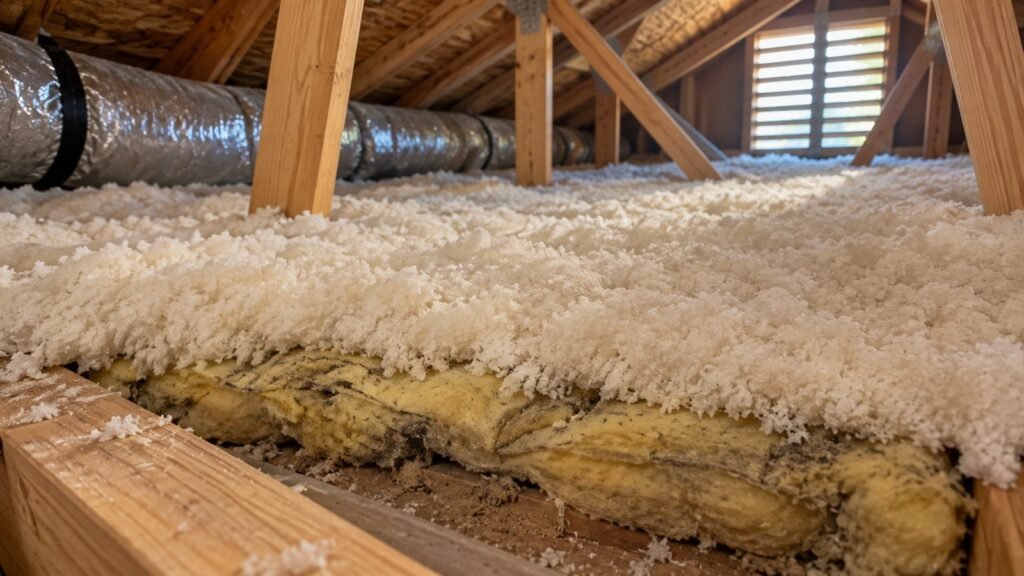
Insulation works by trapping air in millions of tiny pockets, slowing down heat transfer through conduction, convection, and radiation. In Florida attics, that trapped air keeps outside heat from pouring in. Over time, the R-value can drop, which hurts energy efficiency. This makes the AC run more and drives energy bills higher.
Key Takeaways
- Insulation blocks heat by trapping air, like how a goose down jacket holds your body heat on a cold day.
- Heat naturally moves from warmer areas to cooler ones, outside heat pushes in during summer, and inside heat can escape in winter.
- Stopping heat transfer helps your heating and cooling systems run less, saving energy and money.
- REINSULATE LLC in Bradenton provides insulation services to keep your home comfortable year-round.
How Does Insulation Actually Keep Homes Comfortable?
Insulation is one of the best ways to keep your home cool in Florida’s heat. It doesn’t completely stop heat, but it slows it down. That slowdown is what really helps. Knowing how insulation works explains why old attic insulation might not be doing its job anymore.
Heat likes to move toward cooler places. In winter, heat inside your home escapes to the cold outside. In our Florida summers, outside heat pushes into your home. This movement is called heat transfer. Heat moves three ways at once: conduction, convection, and radiation. Good insulation resists all three. This is where R-value basics come in. The higher the R-value, the better insulation is at slowing heat transfer. That means your AC doesn’t have to work as hard.
Why does old attic insulation stop working?
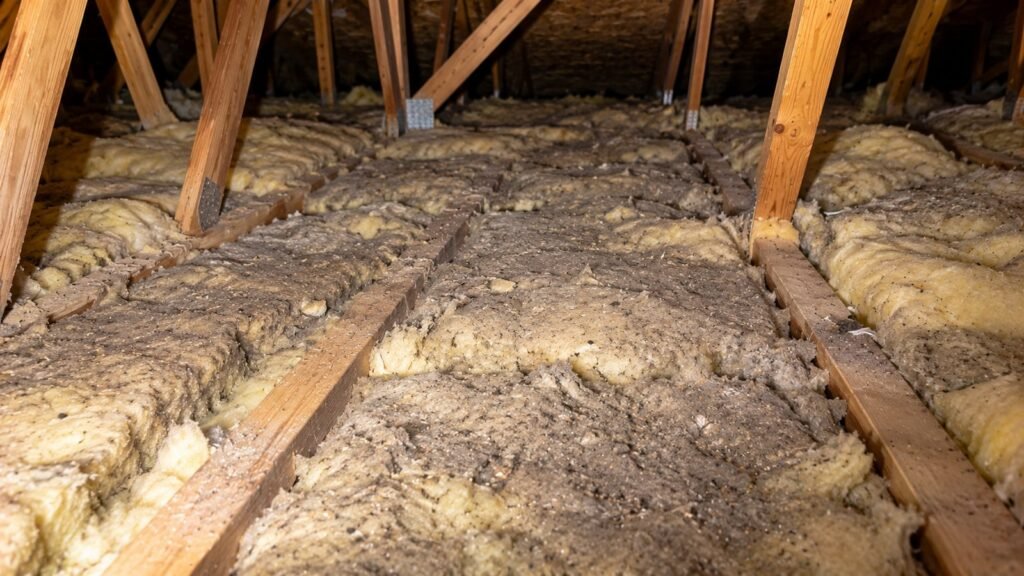
Insulation sinks, compacts, and falls apart after years in Florida’s heat and humidity. When it thins out, its R-value goes down and heat passes through more easily.
What happens when insulation fails?
Rooms can feel uneven, hot in some spots, clammy in others. Your AC runs longer to keep up. Replacing old insulation with new, higher R-value material fixes this. It lowers your energy bills and helps your cooling system last longer.
We are a veteran-owned, fully insured company with OSHA-30 certification and over 21 years of experience. We focus entirely on re-insulation with services like:
- Attic blown-in insulation
- Attic removal and replacement
- Batt and roll insulation
- Wall, crawl space, and radiant barrier installation
How Does Heat Move Through Your Home?
Heat flows through your home in three ways, and insulation works by slowing all of them. Understanding how insulation works starts with knowing conduction, convection, and radiation.
Conduction is heat passing straight through a material, like a hot roof making the rafters warmer. Convection happens when heat rides on moving air through gaps into your rooms. Radiation is heat traveling in a straight line, like sunlight warming your roof and the attic below.
Why does old attic insulation stop blocking heat?
Over time, old insulation flattens and crumbles from Florida’s heat and moisture. When that happens, it can’t slow heat transfer like before. Heat from conduction, convection, and radiation finds an easier path inside. This is common in many homes here that were built before today’s standards.
Does new insulation really help the AC run less?
Yes, new insulation cuts down on heat entering or leaving your home. We remove old, failing insulation and install fresh material. This helps your AC run less, and you’ll see savings on your utility bill. That’s a clear sign your new insulation is working.
What Do R-Value Numbers Really Mean?
R-value is how we measure a material’s ability to resist heat flow. Simply put, it shows how well insulation slows heat transfer between your attic and home. The higher the number, the better it blocks Florida’s heat.
Think of R-value like a bouncer at a club door. A low number means heat can get in easily. A high number makes heat work harder to get through. Knowing R-value basics helps you see why two attics with similar insulation can behave very differently.
What R-value should a Florida attic have?
The U.S. Department of Energy says attics here should have between R-30 and R-49. That’s because our climate is hot and humid almost all year. If your insulation is less than this, the AC has to work harder and your energy bills go up.
Can R-value drop without touching the insulation?
Yes. Insulation isn’t a “set it and forget it” thing. It settles, compacts, and breaks down over time, especially in Florida’s heat and humidity. This causes R-value to drop, letting heat get through more easily.
Here’s how R-value can decline over time:
We see this gap as the real problem, not the old R-value number on a receipt.
Why Does Old Insulation Stop Working?
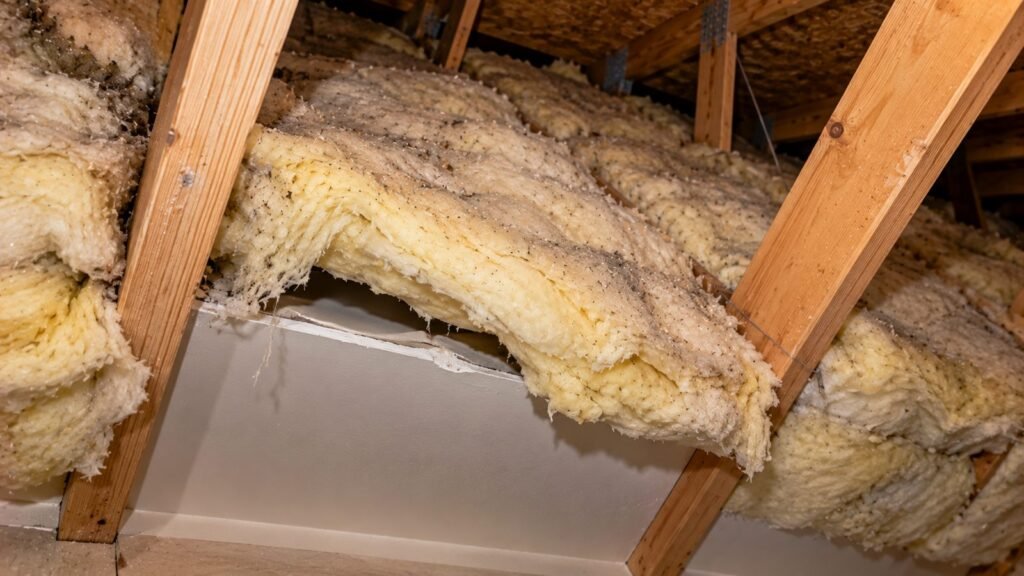
Florida’s heat and humidity wear down insulation year after year. The fibers get crushed, and the R-value drops. This turns a once-thick layer into a thin one that barely slows heat anymore. We see this in many homes across Manatee County, insulation that started strong and has been worn thin by the sun.
What surprises many homeowners is how much protection their homes lose.
How much insulation protection do Bradenton homes lose?
Many local attics have about half the protection they began with. That’s a big drop. It’s the difference between a home where the AC gets a break and one where it runs all day.
This loss explains common complaints: hot upstairs rooms, AC running full-time in the afternoon, and ever-rising electric bills. Weak insulation can’t slow heat transfer well. Warm air gets in faster than the AC can cool it.
This is not just a Florida problem.
Is this only an old-house issue?
No. Across the U.S., only about 10% of homes have insulation that meets current standards. Many homes, new and old, pay more energy costs than they should because of this.
Insulation wears down slowly, and the difference usually shows up in your bills first.
How Do You Know It’s Time To Re-Insulate?
If rooms feel hot and cool in different spots, energy bills rise without reason, or your attic feels like an oven at midday, it may be time to check your insulation. Florida’s heat and humidity damage insulation over the years. When that happens, your AC has to work harder.
REINSULATE has over 20 years of construction experience. We inspect your attic carefully and give honest advice.
What if I don’t actually need new insulation?
We believe honesty is key. If your insulation doesn’t need replacing, we’ll tell you. No pressure, no upsell. Our goal is a fair assessment, not a bigger bill.
How do I get an estimate?
It’s easy. Tell us your home’s location, and we’ll call back quickly with a free estimate. No long forms or waiting.
Watch for these signs that suggest a problem:
- Rooms or floors with uneven temperatures
- Rising energy bills without explanation
- Visible gaps or thinning insulation in the attic
- An attic that feels hotter than it should
We are veteran-owned, fully insured, and OSHA-30 certified. We know how to tell if insulation still works or needs replacing. Before we start, we explain what we find in easy terms. You deserve clear answers, not a sales pitch.
FAQ
How does insulation slow heat transfer?
Insulation traps air in millions of small pockets. This resists heat moving through conduction, convection, and radiation. It slows how much outside heat enters Florida attics, making your AC’s job easier.
Why does attic insulation lose effectiveness over time?
Florida’s heat and moisture cause insulation to compress, settle, and break down. This thins the material and lowers R-value, letting heat pass more easily.
What happens when insulation stops working well?
Some rooms get hot or clammy, and the AC runs longer to keep up. REINSULATE replaces old insulation to modern R-value standards, cutting energy bills and reducing strain on cooling systems.
Get a Free Attic Inspection
REINSULATE is a veteran-owned company serving Manatee and Sarasota counties. We offer free estimates and a limited-time deal: get free garage attic insulation up to 500 sq ft when you have your home’s attic insulation removed and replaced. Terms apply.
See if you qualify by visiting letsreinsulate.com/free-garage-insulation/ or call us at 941-705-0305.
