
By Daniel Myrand, REINSULATE LLC
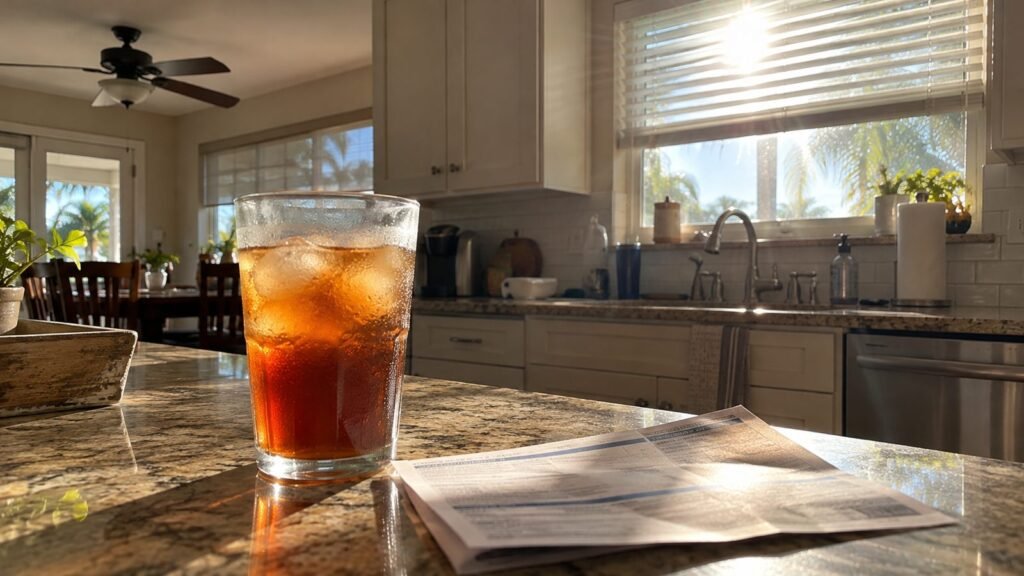
Summer in Bradenton, Sarasota, and Manatee County, Florida, can get very hot. Keeping your home cool without spending a lot on electricity is tough. One of the best ways to cut cooling costs is to improve your attic insulation. Good insulation stops heat from getting into your home. It helps your air conditioner run less, which lowers your bill. This guide gives you a simple checklist with tips to save on cooling, focusing on attic insulation as the biggest fix.
Your Summer Cooling Checklist
- Check your attic insulation. Good insulation keeps heat out. If your insulation is old or weak, replace it.
- Choose the right insulation type. Options include fiberglass batts, blown-in cellulose, spray foam, or rigid foam board. Pick what fits your budget and attic space.
- Look for higher R-values. R-value shows how well insulation blocks heat. In Florida, aim for R-30 or more in your attic.
- Consider green insulation options. Recycled cotton, hemp, and mineral wool are eco-friendly and effective.
- Don’t forget wall insulation. Walls also let heat in. Adding insulation there helps your cooling system work better.
- Hire a pro if you can. Professional installers ensure proper coverage and can catch air leaks.
- Keep insulation maintained. Check yearly for damage, moisture, or pests. Seal gaps and keep your attic ventilated.
- Get multiple free estimates. This helps you find the best price and service.
- Use ceiling fans and maintain your HVAC system. These help your home stay cooler and your AC run less.
What Is Attic Insulation and Why Is It Important?
Attic insulation blocks heat from your hot roof from reaching your cooler rooms. Without it, heat gets in easily, making your air conditioner run more and costing more.
In Florida, good attic insulation is one of the easiest ways to lower your cooling bill and keep your home comfy.
Types of Attic Insulation
Here are common choices for this area. Pick based on your attic shape and budget.
- Fiberglass Batts: Pre-cut panels that fit most attics. They are affordable and easy to install.
- Blown-In Cellulose: Made from recycled paper. It fills gaps and fits odd spaces well.
- Spray Foam: Expands to seal air leaks and offers very good insulation. Costs more to install.
- Rigid Foam Board: Good insulation per inch and resists moisture. Often used in walls but also works in attics.
Understanding R-Value
R-value measures how well insulation stops heat flow. Higher R-value means better cooling and lower bills.
Florida homes should aim for attic insulation rated R-30 or higher for best results.
Cost and Performance Overview
Some options cost more upfront but save money over time by reducing energy bills.
Eco-Friendly Insulation Options
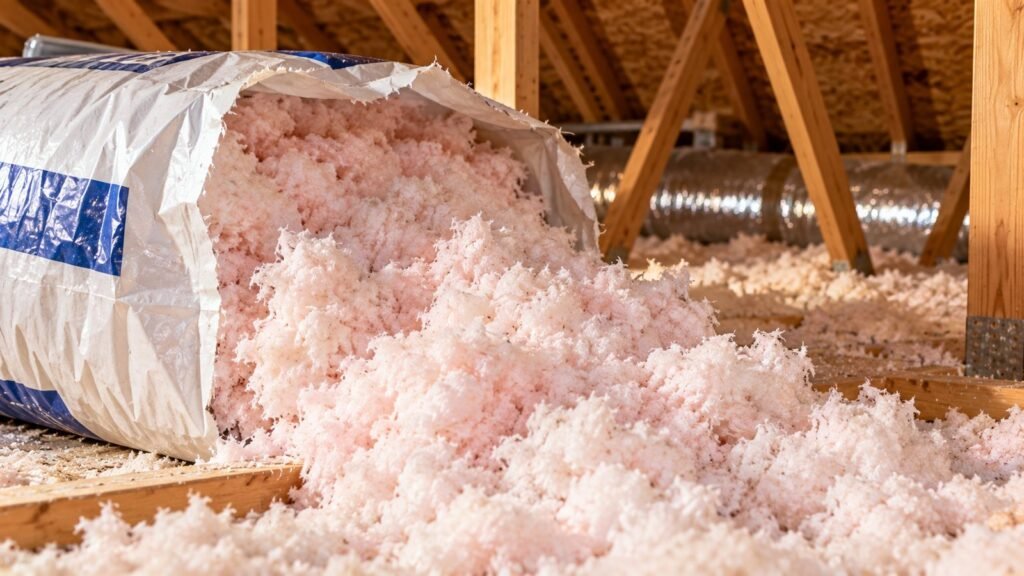
If you care about the environment, try these green options to help lower cooling costs.
- Recycled Cotton Insulation: Made from old denim, it breaks down naturally and keeps heat out.
- Hemp Insulation: Renewable and good at blocking heat and noise.
- Mineral Wool: Resists fire, blocks noise, and insulates well.
Why Attic Insulation Matters in Florida
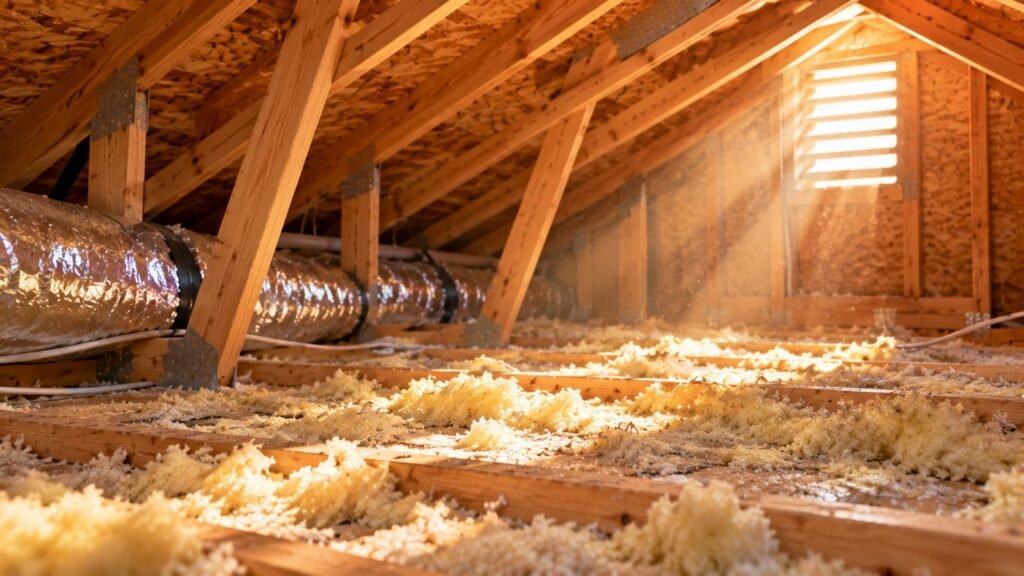
The hot Florida sun heats up your roof. Without good attic insulation, that heat goes into your home. Good insulation blocks heat, so your AC doesn’t have to work as hard.
Choosing the Right Attic Insulation
The best insulation for local homes includes:
- Fiberglass Batts: Affordable and works for most standard attics.
- Blown-In Cellulose: Fills gaps well in oddly shaped spaces.
- Spray Foam: Seals air leaks and offers the highest R-value.
Choose what fits your money, attic, and goal to save on cooling.
R-Value and Energy Savings
The higher the R-value, the better the insulation blocks heat. Aim for R-30 or more in your attic to lower summer cooling bills in Florida.
Best Insulation Choices for Hot Climates
- Reflective Radiant Barriers: These reflect heat away. They work well in Florida’s sun.
- Spray Foam Insulation: Seals leaks and insulates well.
- Dense-Packed Cellulose: Blocks airflow and heat better than regular fiberglass.
Comparing Spray Foam and Blown-In Insulation
Cost: Spray foam costs more, between $1.00 and $2.50 per square foot. Blown-in cellulose costs less, from $0.70 to $1.20.
Performance: Spray foam seals air leaks better and insulates very well. Blown-in cellulose fills spaces evenly and is good for the cost.
Installation: Spray foam needs a professional. Blown-in cellulose may be a do-it-yourself job for some.
Think about your budget and home before deciding.
Why Older Homes May Need New Insulation
Many older homes here have insulation that has settled or doesn’t work well. This makes your cooling costs higher and rooms less comfortable.
Look for these signs that your insulation needs replacing:
- Rooms feel hot or uneven in temperature.
- Your cooling bills go up but you didn’t change usage.
- You see damage like sagging, wet spots, or pest issues.
New insulation can lower your cooling bills a lot in summer.
Wall Insulation Helps Too
Attic insulation works better with wall insulation. Walls let heat in, so insulating them helps reduce what your AC needs to cool.
Common wall insulation types include fiberglass batts, spray foam, and rigid foam boards. In Florida heat, insulation that blocks radiant heat and seals gaps works best.
Professional Installation and Costs
Hiring pros means your insulation gets installed right with proper sealing. Costs range from $0.50 to $2.50 per square foot. Professional work usually saves you money long term.
Get free estimates from several companies to find the right contractor and price.
Keep Your Insulation Working Well
After installation, follow these tips to keep insulation effective:
- Check yearly for moisture, pests, or damage.
- Seal gaps around windows, doors, and attic openings.
- Make sure your attic ventilation works properly.
- Use ceiling fans and keep your HVAC system in good shape.
Frequently Asked Questions
Does attic ventilation matter for insulation?
Yes. Ventilation removes hot air before it spreads. This helps keep your insulation and home cooler and lowers AC use.
Can insulation upgrades improve indoor air quality?
Yes. New insulation and good air sealing limit dust and pollen from coming in. This improves indoor air quality.
Are there financial incentives for installing eco-friendly insulation?
Often there are. Local programs or utilities may offer rebates or tax credits for energy-saving insulation, including green options.
How long does insulation last?
Fiberglass can last 25+ years, cellulose about 20 years, and spray foam over 30 years. Regular checks keep them working well.
Conclusion
Good attic insulation is one of the best ways to lower your cooling bill in Bradenton, Sarasota, and Manatee County homes. It stops heat and helps your AC run less in summer. Pick the right type and R-value for your home. Think about green options and get professional advice. Keep your insulation maintained to stay cool for years.
Get a Free Attic Inspection
REINSULATE is a veteran-owned company serving Manatee and Sarasota counties. We offer free estimates and a limited-time deal: get free garage attic insulation (up to 500 sq ft) when you have your home’s attic insulation removed and replaced. Terms apply.
Visit letsreinsulate.com/free-garage-insulation/ to see if you qualify, or call 941-705-0305.
