Free Attic Insulation Inspection, How to Boost Your Home’s Energy Efficiency
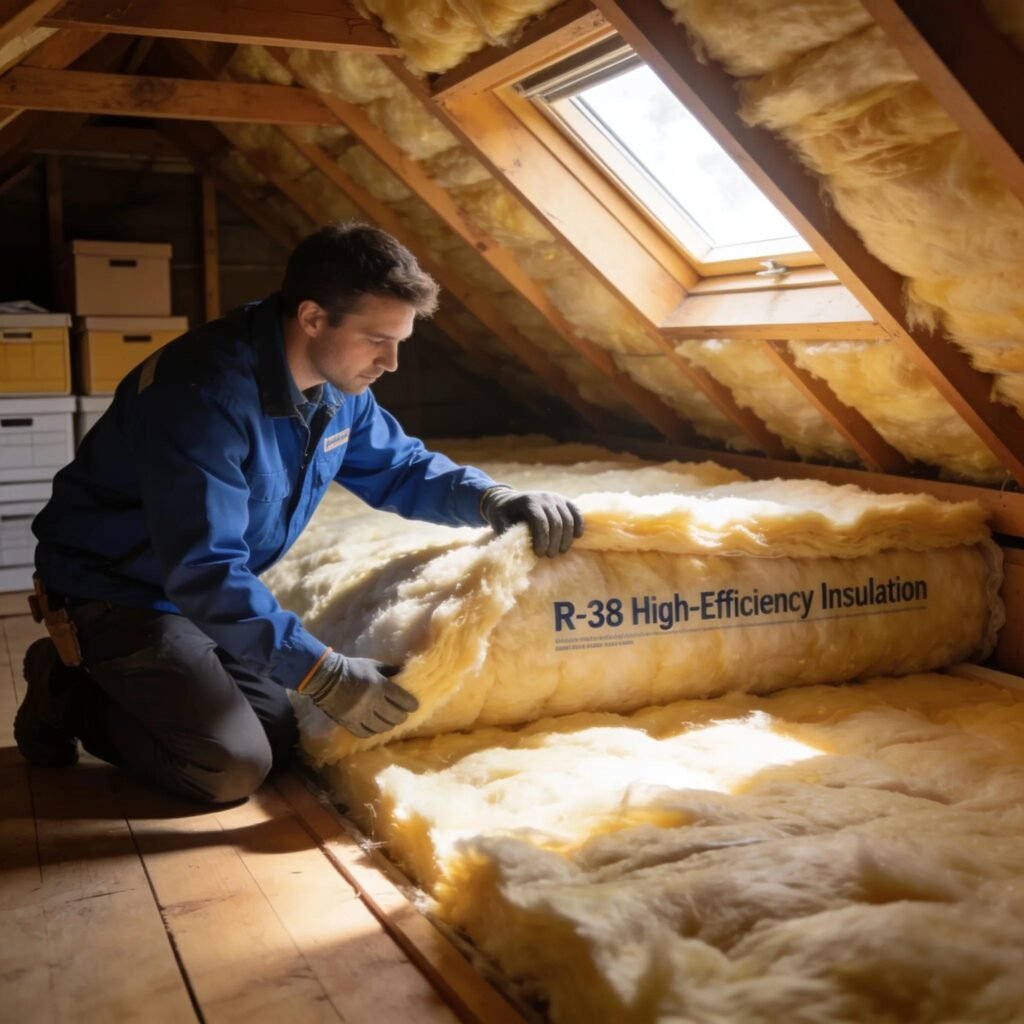
A complimentary attic insulation inspection is a smart first step for homeowners who want lower energy bills and a more comfortable home. Knowing the condition of your attic insulation can reveal easy wins for better comfort and long‑term savings. Many homeowners don’t realize how much proper insulation affects heating and cooling costs. This guide walks through why inspections matter, what the inspector will check, how to prepare, and answers common homeowner questions about this service.
Key Takeaways
- A free attic insulation inspection pinpoints problems that drive up energy use and utility bills.
- Good attic insulation limits heat transfer, boosts HVAC efficiency, and can cut energy bills by 10% to 30%.
- Inspectors often use thermal imaging and moisture meters to find insulation gaps and moisture issues.
- Fiberglass, cellulose, and spray foam are common insulation types, each has different R-values and tradeoffs.
- Higher R-values mean better thermal resistance and bigger long-term energy savings.
- Regular inspections every 3 to 5 years help protect efficiency and avoid costly repairs.
- Government rebates and incentives may be available to help cover the cost of insulation upgrades identified during an inspection.
- To prepare, clear attic access and note any concerns you want the inspector to check.
- Proper insulation improves comfort and indoor air quality and can increase resale appeal.
Why is a Free Attic Insulation Inspection Important for Your Home?
An attic inspection matters because it directly affects how your home uses energy and how comfortable it feels. Old, damaged, or missing insulation lets heat escape in winter and enter in summer, forcing your HVAC system to run longer and costing you more. Catching issues early can prevent expensive repairs and keep your home’s thermal performance at its best.
How does attic insulation affect your home’s energy use?
Attic insulation controls how heat moves through your home. Proper insulation reduces heat transfer, so rooms stay cooler in summer and warmer in winter. That means your heating and cooling systems run more efficiently, which typically lowers energy use, often by 10% to 30%, depending on your home and existing insulation.
What signs show that your attic insulation needs inspection?
Look for visible damage like sagging, compressed insulation, or wet spots. Spikes in your heating or cooling bills can also point to insulation problems. Other red flags include mold, dampness, or excessive dust in the attic, all signs that an inspection is warranted.
What Happens During a Free Attic Insulation Inspection?
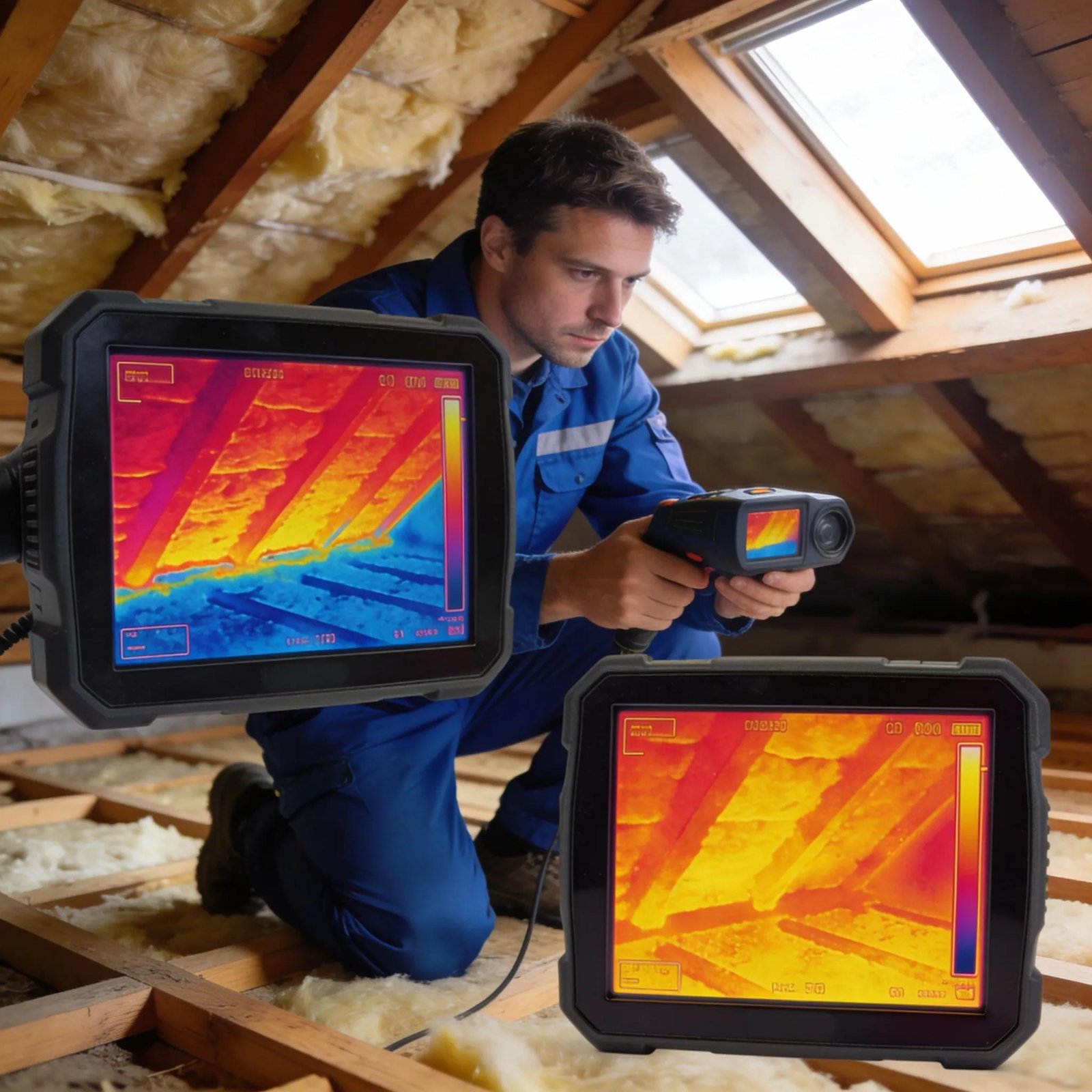
Knowing what an inspection involves can make the process less intimidating. Inspectors use a combination of visual checks and diagnostic tools to evaluate your attic insulation and identify issues that affect performance.
Which inspection methods are commonly used, including thermal imaging?
Inspectors use both traditional and modern tools, including thermal imaging cameras. Thermal imaging highlights temperature differences, revealing where heat is leaking into or out of the home. That helps identify gaps and thin spots that aren’t obvious to the naked eye, giving a clearer picture of insulation performance.
How do inspectors detect insulation defects and moisture issues?
During the inspection, professionals look for gaps, voids, compression, and poor installation. They also check for moisture, leaks, or condensation that can lead to mold. Tools like moisture meters help quantify dampness so any issues can be accurately diagnosed and addressed.
What Types of Attic Insulation Are Reviewed and How Do Their R-Values Compare?
Inspectors review the type of insulation in your attic and compare its R-value, a measure of thermal resistance. Each insulation type has different characteristics, costs, and R-values, so understanding the options helps you choose what’s best for your home.
What are common attic insulation materials and their benefits?
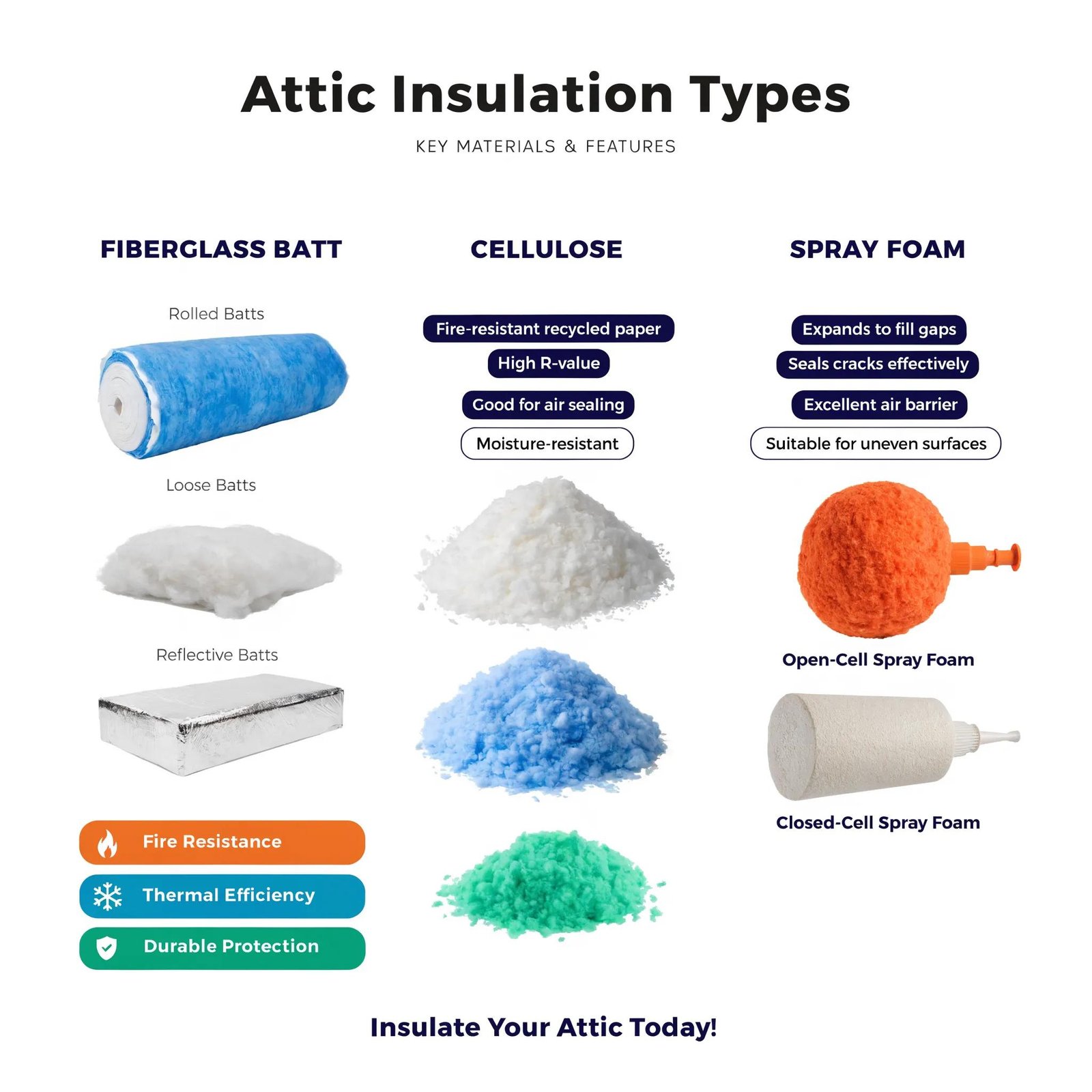
Common materials include fiberglass, cellulose, and spray foam. Each offers strengths for different needs:
- Fiberglass: Cost‑effective and widely used, available as batts or loose fill; provides a reliable thermal barrier when installed correctly.
- Cellulose: Made from recycled paper, it’s eco‑friendly and excels at filling cavities to reduce air leakage.
- Spray Foam: Delivers a higher R‑value per inch and doubles as an air barrier, making it ideal for sealing against drafts and in irregular spaces.
How do R-values affect insulation performance and energy savings?
R-values measure how well insulation resists heat flow, the higher the R-value, the better. Choosing the right R-value for your climate helps maximize energy savings. For example, an R‑value around 30 is often recommended for attic spaces in cooler regions. Selecting the appropriate insulation and R‑value can significantly reduce heating and cooling costs over time.
Comparison of Attic Insulation Types, Benefits, and Characteristics
How Can a Free Inspection Help You Save on Energy Bills?
A free attic inspection is a practical way to find energy losses and prioritize fixes that lower monthly bills. By improving attic insulation, you reduce the load on your heating and cooling systems and make your home more efficient.
What energy savings can you expect from proper attic insulation?
Proper insulation can lead to meaningful savings over time, commonly 10% to 20% on energy costs. Exact savings vary by home age, current insulation levels, and HVAC efficiency. In many cases, insulation upgrades pay for themselves within a few years.
Are there government incentives or programs supporting attic upgrades?
Yes. Federal, state, and local programs sometimes offer rebates or tax incentives for energy‑efficient upgrades, including insulation. Eligibility and amounts vary, so check available programs in your area to see what could reduce your out‑of‑pocket costs.
How Should You Prepare for Your Free Attic Insulation Inspection?
Preparing before the inspector arrives makes the visit quicker and more thorough. A little prep helps the inspector access the attic and address your specific concerns.
What steps make the inspection process smooth and effective?
To ensure a smooth inspection, try these steps:
- Clear Access: Make sure the attic entry is reachable and remove stored items that block the way.
- Document Issues: Note any drafts, uneven temperatures, or visible insulation damage to show the inspector.
- Prepare Questions: Write down questions so you don’t forget to ask about improvements or costs.
How can you choose a qualified local inspector or service?
Look for inspectors with proper certifications, positive reviews, and local references. Ask about their inspection process and the tools they use to ensure they’ll thoroughly check insulation, ventilation, and moisture. Recommendations from neighbors or online reviews are helpful when choosing a reliable professional.
What Common Questions Do Homeowners Ask About Free Attic Inspections?
Homeowners regularly ask how often to inspect attic insulation, what’s included in the free service, and what to do after the inspection.
How often should attic insulation be inspected?
Inspect every 3 to 5 years as a rule of thumb, and sooner after major storms, roof work, pest activity, or other events that could affect the attic. Regular checks help catch problems before they become costly.
What does a free attic insulation inspection usually include?
A typical free inspection reviews insulation type, estimated R‑value, and physical condition. Inspectors often check ventilation and moisture control, then provide a report with findings and recommendations for improvements or upgrades.
Frequently Asked Questions
What are the health benefits of having proper attic insulation?
Good insulation helps maintain stable indoor temperatures and reduces the conditions that allow mold and allergens to thrive. That means better indoor air quality and a healthier living environment, which is especially important for people with respiratory sensitivities.
Can I conduct a DIY inspection of my attic insulation?
You can visually check for obvious issues like damp spots or compressed insulation, but a professional inspection is recommended for an accurate evaluation. Pros use tools like thermal cameras and moisture meters that reveal hidden problems a DIY check can miss.
What impact does attic insulation have on home resale value?
Upgraded insulation can make your home more attractive to buyers by lowering expected utility costs and improving comfort. Energy‑efficient features may also qualify your home for certain incentives, which can be a selling point and potentially increase resale value.
How can uneven insulation affect my home’s energy efficiency?
Uneven insulation creates hot and cold spots, forcing your HVAC system to work harder to maintain comfort. That raises energy use and bills. Identifying and fixing these inconsistencies during an inspection helps even out temperatures and reduce waste.
Are there specific attic insulation standards I should be aware of?
Yes. Recommended R‑values vary by climate zone and local building codes. These standards help ensure adequate thermal resistance for your region. Your inspector can advise on local recommendations and code requirements to ensure optimal performance.
What are the signs that my insulation is performing well?
Consistent indoor temperatures year‑round, lower energy bills, fewer drafts, and minimal ice damming in winter are good signs your insulation is doing its job. Regular inspections confirm that insulation remains in good condition.
How can I ensure my attic insulation meets energy efficiency standards?
Schedule regular inspections with certified professionals who are familiar with local standards. They’ll assess existing insulation, estimate R‑value, and recommend upgrades that meet regional requirements to optimize energy savings.
Conclusion
Knowing the condition of your attic insulation is one of the easiest ways to improve home comfort and reduce energy costs. Regular inspections reveal problems early and help you prioritize upgrades that deliver real savings. Take advantage of a free attic insulation inspection to get clear recommendations and next steps, schedule yours today to protect comfort and cut energy waste.
