
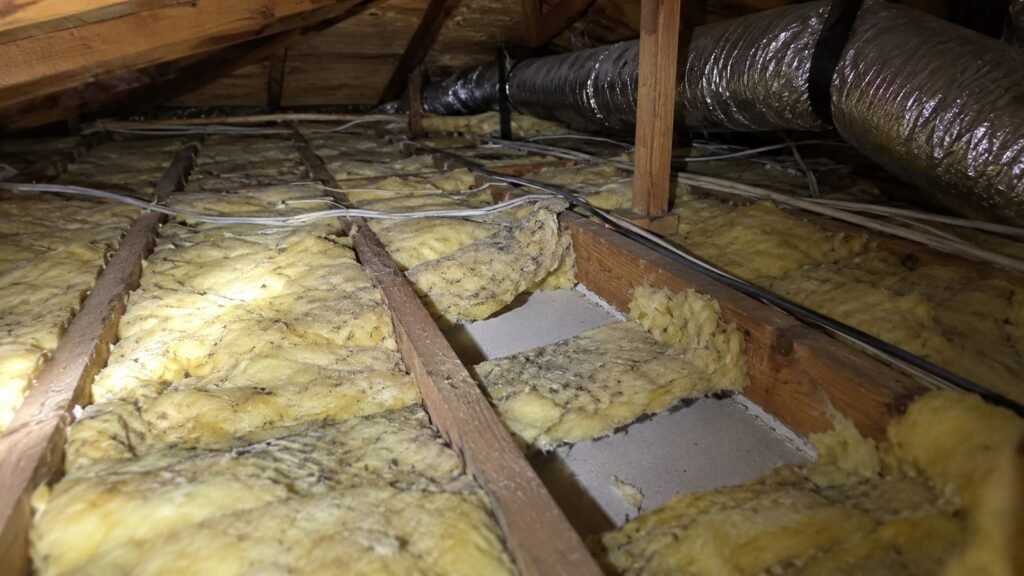
By Daniel Myrand, REINSULATE LLC
Good attic insulation helps keep your home comfortable and saves energy. Many people in Bradenton, Sarasota, and Manatee County don’t notice when their attic insulation stops working well. This can cause higher AC bills, hot rooms upstairs, and uneven temperatures. This guide shows signs you need new attic insulation, when to replace it, and what to check during inspections. You’ll learn how moisture, pests, and old, squished insulation lower its performance and what steps to take next.
Key Takeaways
- Moisture and mold in attic insulation make it less effective and can affect your health.
- Higher energy bills and rooms that change from hot to cold often mean your insulation is failing.
- Visible damage, pests, and sagging insulation are clear signs you may need to replace attic insulation.
- Most attic insulation lasts 15 to 30 years, depending on the material and Florida’s heat and humidity.
- Good attic ventilation helps reduce moisture and keeps insulation working longer.
- Replacing attic insulation on time can lower heating and cooling costs by 10 to 20 percent each year.
- Regular checks help you spot dampness, air leaks, and settling before problems get worse.
- Call a professional if you have big damage, mold, or insulation older than 15 years.
- Different insulation types need different care when removing and replacing to work well.
Top 5 Signs You Need New Attic Insulation
It’s not always easy to know when it’s time to replace your attic insulation. Watch for these signs:
- Moisture Problems: Damp or wet insulation usually comes from roof or plumbing leaks. This needs to be fixed quickly.
- Higher Energy Bills: If your air conditioning or heating bills keep rising, your insulation might not be working well anymore.
- Hot or Cold Rooms: Rooms that feel too hot in summer or cold in winter often mean there are gaps or bad insulation.
- Pests: Rodents, bugs, or birds living in the attic can damage insulation and make it less effective.
- Visible Damage: Sagging, squished, stained, or broken insulation should be replaced.
Fixing these problems early keeps your home comfortable, saves energy, and prevents bigger issues.
Moisture and Mold: Why They Matter for Your Attic Insulation in Bradenton
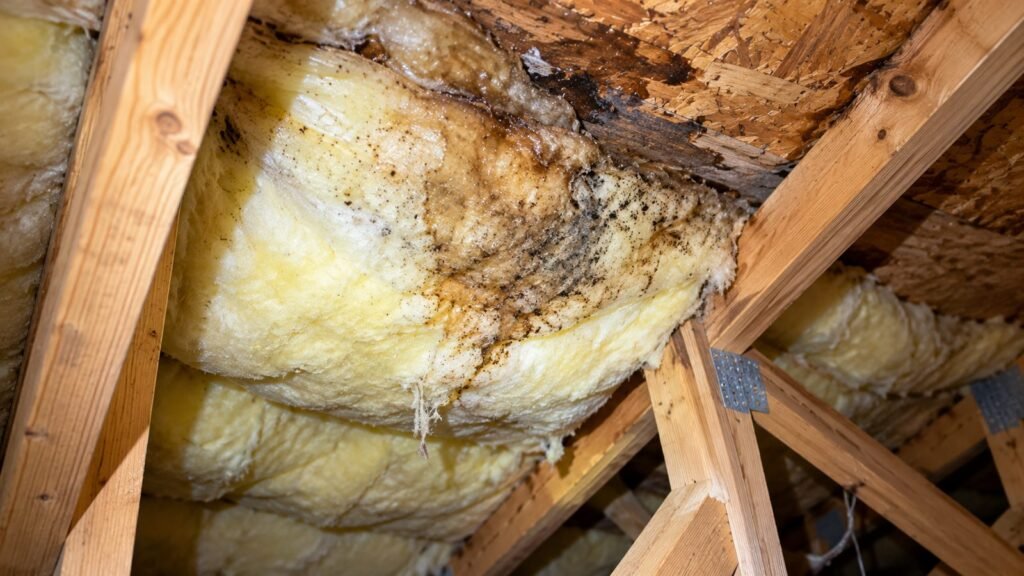
Moisture is a big problem for attic insulation, especially in Florida’s humid weather. Roof leaks or high humidity can make insulation wet. Wet insulation doesn’t keep heat out well, and mold can grow. Mold may hurt your family’s health and lower indoor air quality. Fixing leaks and drying out the attic are very important. Any wet or moldy insulation should be replaced to keep your energy bills down.
Humidity cycles can damage insulation fibers, making them less effective over time. That’s why using vapor barriers — special layers that stop moisture — and good ventilation help protect your insulation.
Cold and Hot Spots Show When to Replace Attic Insulation
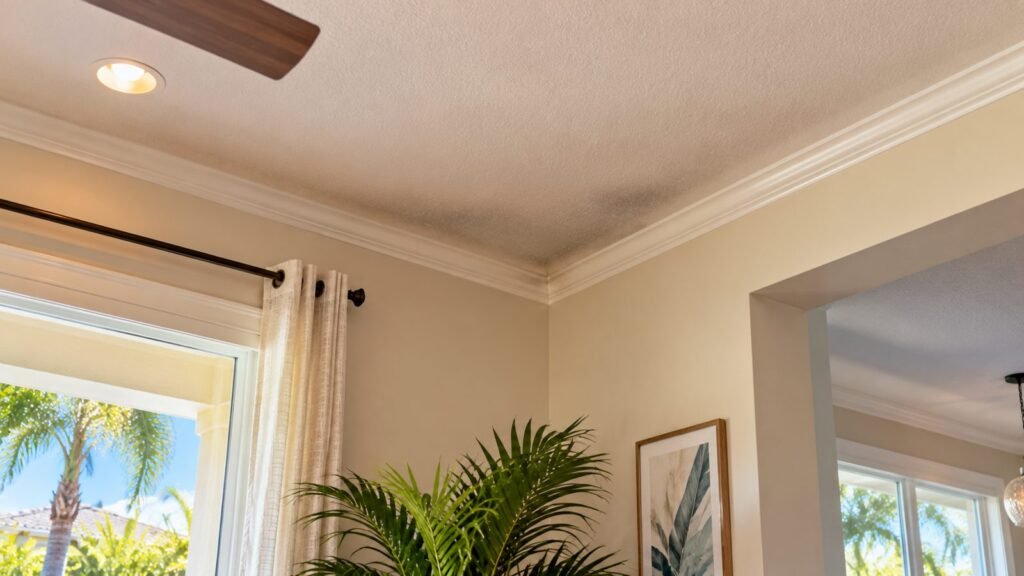
Cold spots mean parts of your attic insulation are missing or thin. These spots make rooms feel uneven and cause your AC to work harder to keep you cool. Thermal imaging, which shows heat differences in your attic, can help find these areas fast. That way, you know where to add or fix insulation.
How Old Is Your Attic Insulation? Knowing When to Replace Attic Insulation
Insulation works less well as it settles, gets squished, or collects dust and pests. In Florida, with heat and pests, you might need to re-insulate sooner than in other places. Usually, insulation lasts 15 to 30 years. Look for thin or uneven spots for signs it’s time to replace or add more.
Lifespan of Common Attic Insulation Materials in Florida
- Fiberglass: Lasts about 20 to 30 years.
- Cellulose: Also around 20 to 30 years but can settle faster in humid areas.
- Spray Foam: Can last over 30 years with good installation and airflow.
Knowing typical lifespans helps you plan attic insulation replacement before problems start.
Older Homes in Bradenton and Sarasota: When to Think About Insulation Replacement
Homes over 30 years old often have old or worn insulation, especially if the attic hasn’t been updated. Old materials, gaps, and poor coverage lower energy efficiency. Getting an inspection can show if replacing attic insulation will improve comfort and reduce high AC bills.
Health and Safety Reasons to Replace Your Attic Insulation
Bad insulation can cause mold and pest problems. Mold spores can hurt indoor air and trigger allergies or breathing trouble. Pests chew insulation and spread germs. Replacing damaged insulation removes these risks and makes your home safer.
Mold in Attic Insulation and Indoor Air Quality
Mold spores from your attic can spread into living spaces and hurt air quality. Mold also breaks down insulation, making it less able to keep heat out. Quickly removing mold and replacing the affected insulation is important for health and to save on energy bills.
Why Good Attic Ventilation Matters in Florida
Good ventilation controls heat and moisture, which affect how long attic insulation works. Proper airflow lowers condensation that wets insulation and stops heat build-up. Keeping vents and fans clean helps keep your insulation dry and working well in Florida’s climate.
Energy and Cost Benefits of Attic Insulation Replacement
Replacing or adding attic insulation brings clear benefits for Florida homeowners:
- Lower Energy Bills: Your AC runs less because insulation keeps heat out better.
- Higher Home Value: A cooler, energy-efficient home is more attractive to buyers.
- Tax Credits: Some local and federal programs offer savings for energy upgrades.
These benefits make attic insulation replacement a smart choice.
How Much Can You Save with New Attic Insulation?
On average, homeowners save 10 to 20 percent on heating and cooling after replacing attic insulation. Savings change based on home size, local climate, and current insulation, but many Florida homes see a good drop in energy use with this upgrade.
Cost Considerations for Attic Insulation Replacement
Costs depend on insulation material and whether you hire pros. Think about:
- Material Cost: Different insulation types have different prices and effectiveness.
- Labor: Professionals cost more up front but make sure coverage and sealing are done right.
- Energy Savings: Lower utility bills and possible higher home resale value.
Thinking about these helps you decide if attic insulation replacement is worth it.
How to Inspect Your Attic Insulation for Replacement Signs
You can check your attic yourself by following these steps:
- Look Closely: Check for wet spots, stains, or places where insulation is thin or missing.
- Find Air Leaks: Look around vents, chimneys, and roof joints for gaps.
- Use a Moisture Meter: Test spots you think are damp to confirm moisture.
Checking your attic regularly helps you catch problems early before they get worse.
DIY Checklist to Spot Insulation Problems
- Check the Insulation: Look for sagging, wet areas, stains, or flattened spots.
- Watch for Pests: Look for droppings, nests, or chewed insulation.
- Review Energy Bills: Notice increases in bills that don’t match your usual use.
These checks can warn you if it’s time for attic insulation replacement.
When to Call a Pro for Attic Insulation Replacement
Get professional help if you see:
- Big Damage: Serious wetness, mold, or crushed insulation.
- Health Issues: Mold or pests that might harm indoor air quality.
- Old Insulation: Insulation older than 15 years should be checked by experts.
Professionals can tell you the best and safest way to replace your attic insulation.
How Different Insulation Types Affect Replacement
What kind of insulation you have matters for signs and replacement:
- Blown-In: Good for filling gaps but settles over time and loses thickness.
- Batt: Easy to install but can get wet or fit poorly if not done right.
- Spray Foam: Seals well but usually needs pros for removal or adding more.
Knowing your insulation type helps you pick the right way to fix or replace it.
Traits of Common Attic Insulation Types
- Blown-In: Fills odd spaces well and is good for adding insulation to existing attics.
- Batt: Cost-friendly and easy to install but must fit well to avoid gaps.
- Spray Foam: Seals leaks and insulates well but needs certified installers.
These traits affect costs, time, and how well insulation works.
How Removal and Replacement Differ by Insulation Type
- Blown-In: Usually taken out and replaced by pros with special tools.
- Batt: Some skilled homeowners can remove and replace it themselves.
- Spray Foam: Usually needs pros for safe removal and disposal.
Choosing the right removal way helps make sure your new insulation works well.
Frequently Asked Questions
1. How do I start inspecting attic insulation?
Begin by carefully looking for moist spots, mold, thin or squashed insulation. Check for air leaks around vents and chimneys. Use a moisture meter on areas that seem damp. These steps help you decide if you should watch the insulation or call a pro.
2. How can I improve attic ventilation?
Make sure you have balanced vents: soffit vents bring fresh air in, and ridge or gable vents let warm air out. Fans can help move air too. Good airflow lowers moisture and heat buildup. This keeps insulation dry and working well.
3. Are there tax incentives for upgrading attic insulation?
Many Florida homes qualify for tax credits or rebates when they upgrade insulation. Check local and federal programs. Talk to a tax advisor to see if you qualify.
4. How do I pick the right insulation for my attic insulation replacement?
Choose materials based on your budget, local weather, and home. Fiberglass is common and affordable, cellulose is greener but may settle, and spray foam seals well but costs more. Check insulation values for your area and ask a contractor for advice.
5. How often should I inspect attic insulation?
Inspect at least once a year, ideally in spring or fall, and after storms. If you see rising energy bills or temperature changes, check more often to catch problems early.
6. What are signs of pests in insulation?
Look for droppings, nests, shredded insulation, chewed wires, or noises. Pests lower insulation value and spread germs. Call pest experts to remove animals safely and fix damage.
7. Can I reuse old insulation during replacement?
It’s usually best not to reuse insulation if it’s wet, moldy, pest damaged, or squished. Even if it looks okay, it may have lost its power to insulate. Removing old insulation and putting in new ensures better results and lower energy bills.
Get a Free Attic Inspection
REINSULATE is a veteran-owned company serving Manatee and Sarasota counties. We offer free estimates and help Florida homeowners with attic insulation replacement. For a limited time, we’re offering free garage attic insulation (up to 500 sq ft) when you have your home’s attic insulation removed and replaced. Terms apply. Visit letsreinsulate.com/free-garage-insulation/ to see if you qualify, or call 941-705-0305 today.
Conclusion
Taking care of your attic insulation pays off with more comfort, lower energy bills, and better air quality. Knowing the signs you need new attic insulation and checking regularly helps you make smart choices about repairs or replacing. If you find mold, pests, big damage, or your insulation is over 15 years old, call a professional. Start with an inspection and plan upgrades to keep your home cool and save money in Florida’s heat and humidity.
