Wall Insulation Retrofits for Existing Homes, A Practical Guide to Energy-Saving Solutions
By Daniel Myrand, REINSULATE LLC
Rising heating and cooling costs have many homeowners searching for ways to cut energy use and boost comfort. Retrofitting wall insulation is one of the most effective upgrades for Manatee County homes, it lowers energy bills, reduces drafts, and helps maintain steady indoor temperatures. This guide walks through common retrofit methods, materials, installation steps, and typical costs. We’ll also compare DIY and professional work and explain how Bradenton’s climate should shape your insulation choices to get the best long-term performance.
What Are the Different Types of Wall Insulation Retrofit Methods?
There are several retrofit approaches, each suited to different home layouts and goals. Knowing the options helps you pick the right balance of cost, disruption, and thermal improvement.
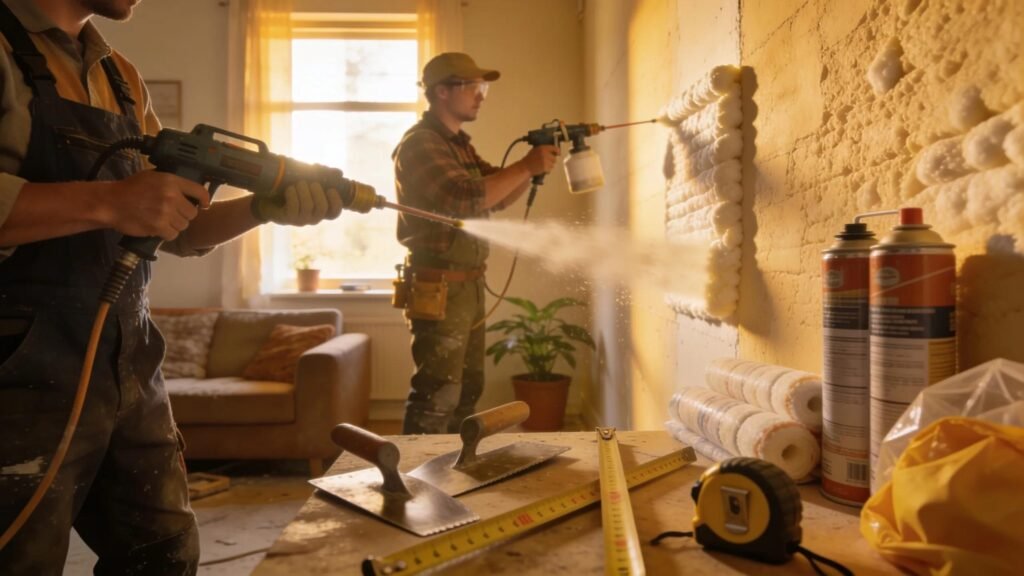
- Spray Foam Insulation: A two-part polyurethane foam sprayed into cavities where it expands to seal gaps and block air leaks. It conforms to irregular spaces, improves air sealing, and can add rigidity to framing.
- Injected Wall Insulation: Insulation, such as cellulose or foam, is pumped into existing wall cavities through small drilled holes. This is a low-disruption option for Manatee County homes that lack easy access to wall interiors.
- Exterior Insulation Systems: Insulation boards are installed on the exterior of the wall, creating a continuous thermal envelope. Ideal when replacing siding or cladding and effective at eliminating thermal bridging.
How Does Spray Foam Insulation Retrofit Work?
Spray foam is formed on-site by mixing two liquid components that react and expand into foam. As it grows, the foam fills voids and seals air leaks, reducing heat loss and improving comfort. Proper results require trained installers who control thickness, curing, and moisture management. When done correctly, homeowners typically notice quicker temperature stabilization and lower energy bills.
What Is Injected Wall Insulation and When Is It Ideal?
Injected insulation is installed by drilling small access holes and pumping material, commonly cellulose or low-expansion foam, into the cavity. It’s a good fit for retrofits where walls can’t be opened without major renovations. Benefits include minimal interior disruption, good thermal and acoustic performance, and cost-effectiveness for many older houses.
Which Insulation Materials Offer the Best Energy Efficiency and Environmental Benefits?
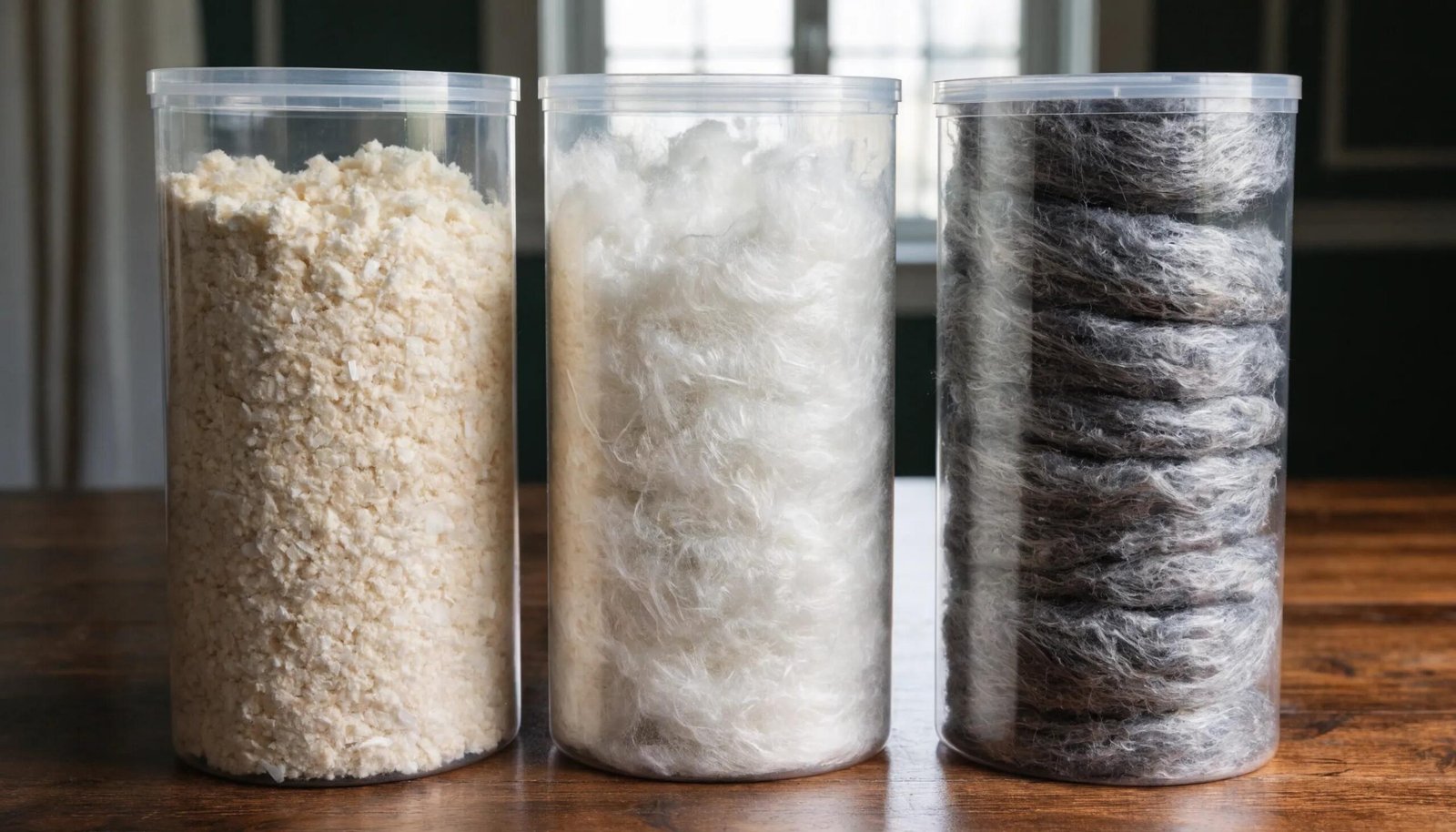
Material choice affects thermal performance, moisture behavior, and ecological impact. Below are three common options and what they deliver.
- Blown Cellulose Insulation: Made from recycled paper, cellulose offers strong thermal and acoustic performance and a relatively low environmental footprint. It’s treated for fire resistance and fills cavities well.
- Fiberglass Insulation: Lightweight and widely available, fiberglass is non-combustible and moisture-resistant when installed correctly. It’s often the most budget-friendly option for many retrofit projects.
- Mineral Wool Insulation: Produced from natural or recycled mineral fibers, mineral wool is fire-resistant and effective at sound control. It’s durable and performs well in humid conditions when detailed properly.
What Are the Advantages of Blown Cellulose and Fiberglass Insulation?
Both blown cellulose and fiberglass offer solid thermal resistance, but each has distinct strengths.
- Blown Cellulose: Environmentally friendly, high recycled content; fills voids more completely than batt materials, which helps reduce air leakage.
- Fiberglass: Cost-effective and readily available; when installed with proper air and moisture control, it resists mold and provides reliable insulation performance.
Choose based on your budget, environmental priorities, and the condition of your walls.
How Do Mineral Wool and Spray Foam Compare on Environmental Impact?
Both materials bring benefits but differ in lifecycle impacts and performance trade-offs.
If minimizing embodied carbon is a priority, mineral wool and recycled-content cellulose are attractive choices; if maximum airtightness and space-constrained R-value are the goal, spray foam performs exceptionally well.
What Does the Installation Process for Wall Insulation Retrofits Involve?
Installation differs by method, but every successful retrofit follows a predictable sequence to protect the home and optimize performance.
- Assessment: A thorough inspection identifies existing insulation, moisture issues, and air leaks so the retrofit targets the real problems.
- Preparation: Surfaces are repaired and prepped; contractors address any rot, pests, or moisture sources before adding new insulation.
- Application: Technicians follow manufacturer guidelines and local codes to apply the chosen material safely and effectively.
How Is Wall Cavity Insulation Removed and Replaced Safely?
Removing old insulation and installing new material should be done carefully to avoid contamination and structural damage. Typical steps include:
- Safety Precautions: Use protective equipment to limit exposure to dust and fibers.
- Accessing Cavities: Create controlled openings to reach existing insulation and avoid unnecessary wall damage.
- Disposal: Follow local rules for disposal or recycling of old insulation, and clean cavities before installing new material.
Once cavities are dry and clear, installers place new insulation and restore wall finishes as needed to complete the retrofit.
What Should You Expect During Exterior Wall Insulation System Installation?
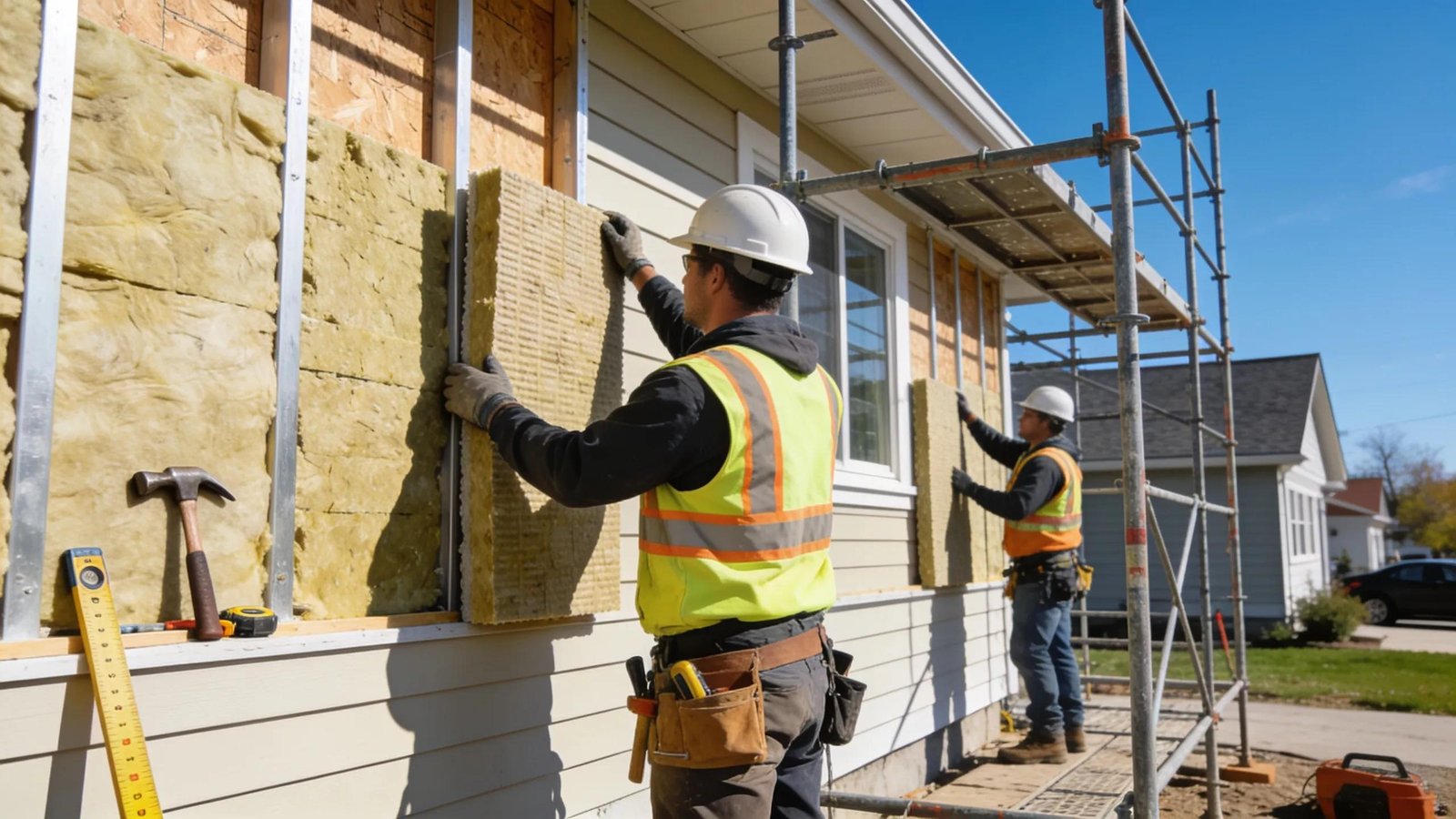
Adding exterior insulation is more involved than an injected retrofit and typically requires planning for temporary disruption:
- Timeline: Installation can take a few days to a couple of weeks, depending on house size and detailing.
- Preparation: Clear work areas and protect landscaping; contractors will need staging space for materials and scaffolding.
- Noise and Disturbance: Expect construction noise and increased activity, but the work is generally straightforward and contained to the exterior.
Good communication with your contractor helps keep the project on schedule and minimizes surprises.
How Much Does Wall Insulation Retrofit Cost and What Are the Energy Savings?
Prices vary by material, installation method, home size, and local labor rates. Knowing typical ranges helps you budget realistically.
- Material Costs: Expect roughly a competitive per-square-foot range for common retrofit materials, depending on the product and application method.
- Labor Costs: Professional installation usually adds about a competitive per-square-foot range.
- Potential Energy Savings: Properly installed insulation can cut overall energy use substantially, in many homes, savings of up to 20% are realistic, depending on existing conditions.
What Factors Affect the Cost of Spray Foam and Blown Insulation Retrofits?
Several variables drive costs for both spray foam and blown insulation.
- Material Type: Spray foam typically costs more than blown cellulose or fiberglass due to the materials and equipment required.
- Home Size: Larger or more complex homes require more material and longer crew time.
- Local Market Rates: Labor and supply availability in your area affect final pricing.
Getting multiple estimates and asking for detailed scope-of-work documents helps compare true value across bids.
How Can You Calculate ROI from Energy-Efficient Wall Insulation Upgrades?
To estimate return on investment, compare the total retrofit cost to projected annual energy savings and any increase in resale value.
- Calculate Costs: Add together materials, labor, and any repairs needed during installation.
- Estimate Annual Savings: Use past energy bills and expected percentage savings to forecast yearly reductions.
- Factor in Home Value: Energy-efficient improvements can raise resale value and marketability.
A simple ROI formula you can use is: (Annual Energy Savings ÷ Total Project Cost) × 100 = Annual Return (%), remember to include any available rebates or tax incentives in your calculations.
Should You Choose DIY or Professional Wall Insulation Retrofit Services?
Deciding between DIY and hiring pros comes down to skill, time, and the job’s complexity. Both paths have trade-offs.
- DIY Projects: Can save money on labor and suit handy homeowners, but require proper tools, safety practices, and time.
- Professional Services: Offer code compliance, warranty-backed work, and often faster, cleaner results, but at a higher upfront cost.
Balance your comfort level with construction tasks against the value of a correctly executed, durable retrofit.
What Are the Benefits and Risks of DIY Insulation Retrofits?
DIY retrofits can be rewarding but carry some risks if you’re inexperienced.
- Benefits: Lower labor costs, hands-on control of materials, and personal satisfaction when you complete the work correctly.
- Risks: Mistakes in installation or air sealing can reduce effectiveness, create moisture problems, or violate local code. DIY jobs also often take longer than expected.
If you choose DIY, invest time in planning, safety gear, and the right products. For complex cavities or spray foam work, professional installers are usually the safer option.
When Is It Best to Hire Local Bradenton Contractors for Insulation Retrofits?
Hiring local professionals makes sense when projects are complex, require permitting, or you lack time.
- Complex Structures: homes with irregular framing or hidden moisture problems benefit from expert assessment.
- Regulatory Compliance: Contractors know local building codes and can ensure work passes inspection.
- Limited Personal Time: Professionals complete work faster and handle cleanup and disposal.
Local contractors also bring familiarity with Bradenton’s climate-related issues, which helps avoid common retrofit mistakes.
How Does the Bradenton Climate Influence Your Wall Insulation Retrofit Choices?
Bradenton’s heat and humidity shape the best insulation strategies. Moisture control and thermal performance are top priorities.
- Moisture Considerations: Choose materials and installation details that resist condensation and mold growth.
- Cooling Needs: Insulation should help reduce cooling loads and maintain steady indoor temperatures during hot months.
What Insulation Materials Work Best in Bradenton’s Weather Conditions?
Materials that balance moisture resistance and thermal efficiency tend to perform best here.
- Closed-Cell Spray Foam: Provides high R-value and moisture resistance, useful where space is limited, and air sealing is critical.
- Fiberglass Batt Insulation: When installed with proper air and vapor control, it’s a cost-effective option for many local homes.
- Mineral Wool Insulation: Durable, fire-resistant, and tolerant of humid conditions when detailed correctly.
Working with a contractor who understands local building science will help you choose the best product for your specific home.
How Do Regional Energy Standards Affect Retrofit Requirements?
Local energy codes and certification standards influence minimum insulation levels and acceptable materials.
- Building Codes: Codes set baseline insulation requirements that vary by climate zone and application.
- Certification Requirements: Certain products carry certifications that demonstrate performance and compliance with standards.
Confirm code requirements and incentive programs with your contractor before committing to a retrofit plan.
Frequently Asked Questions
What is the ideal insulation type for energy efficiency in Manatee County homes?
For many homes, injected wall insulation (cellulose or low-expansion foam) is ideal because it improves performance with minimal disruption to the walls. The best choice depends on wall construction, existing materials, and moisture conditions; an assessment helps determine the right option.
How do I maintain my home’s insulation after retrofitting?
Inspect for signs of moisture, pests, and settling periodically. Keep attic and crawlspace ventilation in good condition and seal gaps around doors and windows. After major storms or plumbing incidents, check insulation performance and repair any compromised areas promptly.
What are some common mistakes to avoid when retrofitting wall insulation?
Common errors include choosing materials that don’t suit the climate, failing to address existing moisture issues, and skipping proper air-sealing. Also, avoid covering damaged insulation without first inspecting it. Proper prep and following manufacturer guidance are essential.
Can retrofitting insulation increase the value of my home?
Yes. Energy-efficient upgrades lower operating costs and improve comfort, which can be attractive to buyers. Documenting upgrades and any energy-saving estimates can strengthen your home’s resale value.
What are the environmental impacts of different insulation materials?
Blown cellulose has a low embodied impact thanks to recycled content; mineral wool often uses recycled or natural materials and has good durability; fiberglass and spray foams have higher manufacturing footprints, though long-term energy savings from high-performance materials can offset initial impacts. Evaluate both embodied carbon and operational savings when making a choice.
Is it necessary to insulate exterior walls in warm climates like Bradenton?
Yes. Proper wall insulation reduces cooling loads, limits humidity-driven problems, and stabilizes indoor comfort. Even in warm climates, insulation is a cost-effective step toward lower energy bills and better indoor air quality.
How often should I consider reinsulating my home?
Consider reinsulating if you notice drafts, rising energy bills, or if insulation is 15–20 years old. Moisture damage, mold, or pest activity also warrants an upgrade. A professional energy audit can reveal where improvements will have the most impact.
Conclusion
Retrofitting wall insulation is one of the most effective ways to improve comfort and cut energy costs in existing homes. By matching materials and methods to your house and Bradenton’s climate, you’ll get durable results and measurable savings. If you’re unsure which route to take, reach out to local professionals for an assessment and personalized recommendations. Take the first step toward a more efficient home today.
