
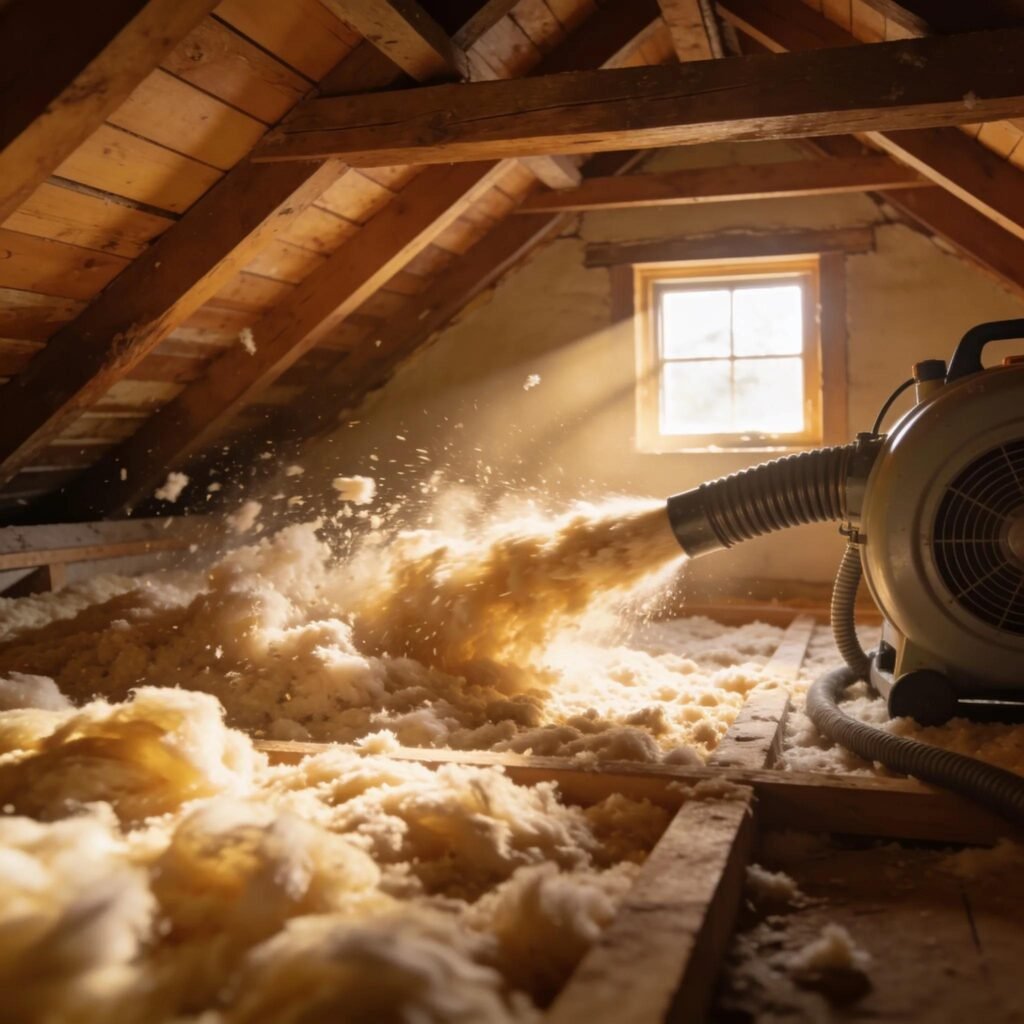
Attic Blown‑In Insulation for Manatee County homes, Choose the Right Material and Save on Energy
in Manatee County homes, a smart insulation upgrade can make a noticeable difference in comfort and energy bills. Blown‑in attic insulation is one of the most cost‑effective ways to reduce heat loss in winter and heat gain in summer. This guide walks through the common blown‑in materials, how they work, and why they’re often the best option for aging houses. If you’re dealing with high utility bills or uneven indoor temperatures, the right insulation, properly installed, can solve both problems. Read on for a straightforward look at material choices, expected costs, and what happens during installation.
Key Takeaways
- Blown‑in attic insulation reduces heat transfer in Manatee County homes, improving comfort and lowering energy use.
- Fiberglass is durable, moisture‑tolerant, and generally the more budget‑friendly option for humid attics.
- Cellulose delivers a higher R‑value per inch, is made from recycled materials, and offers strong sound dampening.
- Installation prices depend on material, labor, and local market factors; fiberglass usually costs less than cellulose.
- Removing wet, moldy, or heavily damaged insulation before adding new material ensures peak thermal performance.
- Pairing air sealing with blown‑in insulation delivers the biggest energy savings by stopping drafts and thermal leaks.
- For most older attics, aim for an overall R‑value in the R‑30 to R‑60 range, adjusted for your climate.
- Hiring professionals helps guarantee even coverage, safe handling, and the discovery of any attic issues.
- Upgrading attic insulation can improve indoor air quality and reduce noise transmission in older houses.
What Are the Best Types of Blown‑In Insulation for Manatee County homes?
When choosing insulation for an older house, focus on materials that balance thermal performance, moisture tolerance, and long‑term durability. The two most common blown‑in choices are fiberglass and cellulose. Each has distinct pros and cons depending on your attic conditions and goals.
How Does Blown‑In Fiberglass Compare to Cellulose Insulation?
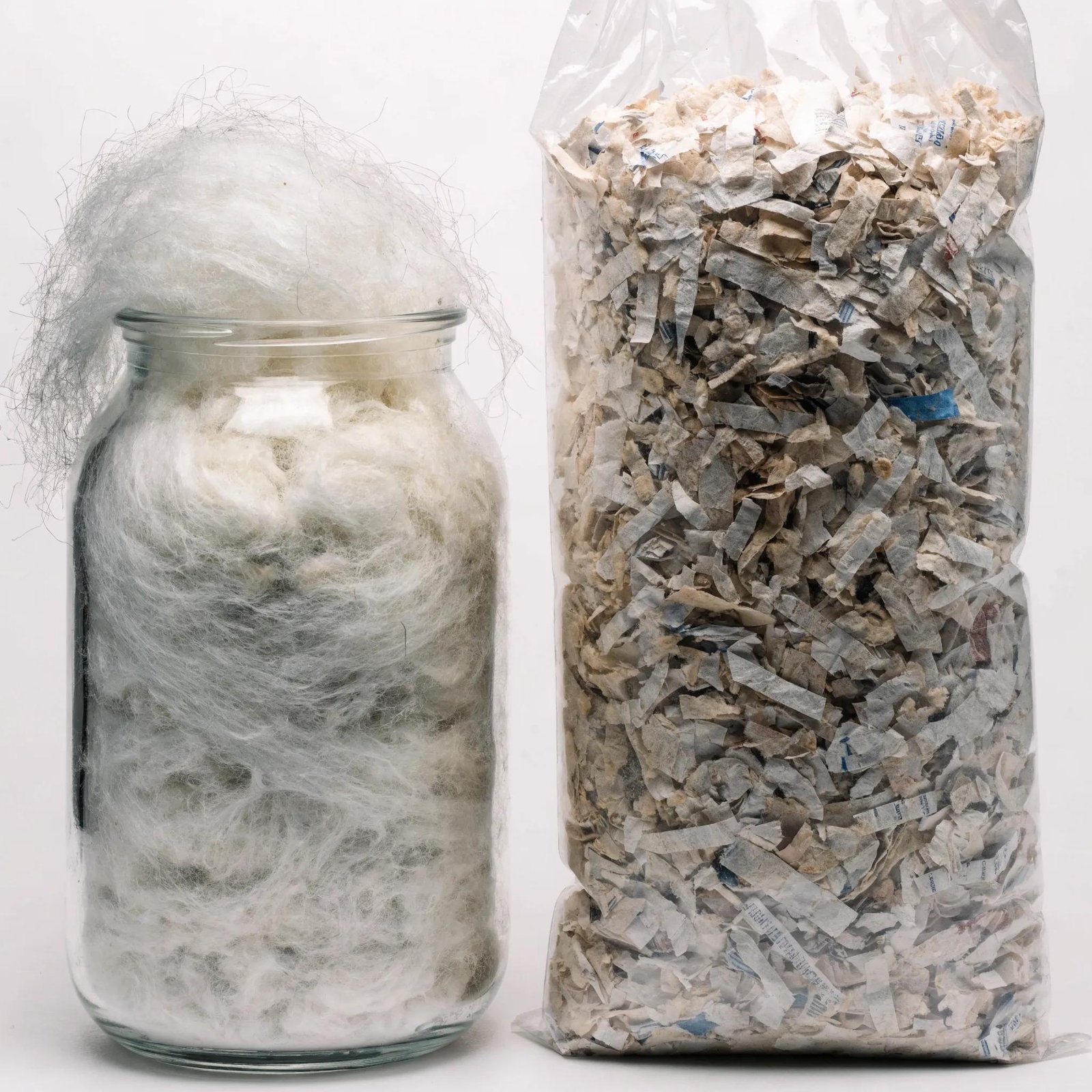
Blown‑in fiberglass is prized for its moisture resistance and durability in humid attics. It’s non‑combustible and typically costs less up front. Cellulose, made from recycled paper products, provides greater insulating value per inch and better sound absorption. Because R‑value measures resistance to heat flow, cellulose can be a stronger performer in colder climates or when space for thickness is limited. Ultimately, the right choice depends on your budget, attic conditions, and environmental priorities.
Why Is Cellulose Increasingly Popular for home Attics?
Cellulose has grown in popularity for a few clear reasons: it’s made from recycled fiber, giving it a smaller environmental footprint; it often provides a higher R‑value per inch than fiberglass; and it can be treated to resist pests. for Manatee County homes, where cavities and irregular spaces are common, the dense cellulose fill can deliver excellent coverage and thermal performance.
How Much Does Fiberglass Attic Insulation Cost for Manatee County homes?
Knowing anticipated costs helps when budgeting an insulation project. Installing blown‑in fiberglass in an older attic typically runs about Lower cost, though final pricing depends on application depth, access, and local labor rates.
What Factors Influence the Cost of Blown‑In Insulation Installation?
Several variables affect total cost:
- Material Costs: The chosen insulation accounts for a large portion of the price, fiberglass tends to be cheaper than cellulose.
- Labor Costs: Professional installers bring equipment and expertise; rates vary by region and job complexity.
- Local Market Conditions: Material availability, demand, and regional pricing all influence the final estimate.
Is Attic Insulation Removal Needed Before Installing New Blown‑In Insulation?
Often, yes. Old insulation that’s wet, moldy, infested, or heavily compacted should be removed before adding new blown‑in material. Leaving damaged insulation in place can undermine performance and hide problems, so a pre‑installation assessment by a pro is usually worth it.
How Does Blown‑In Insulation Improve Energy Efficiency in Manatee County homes?
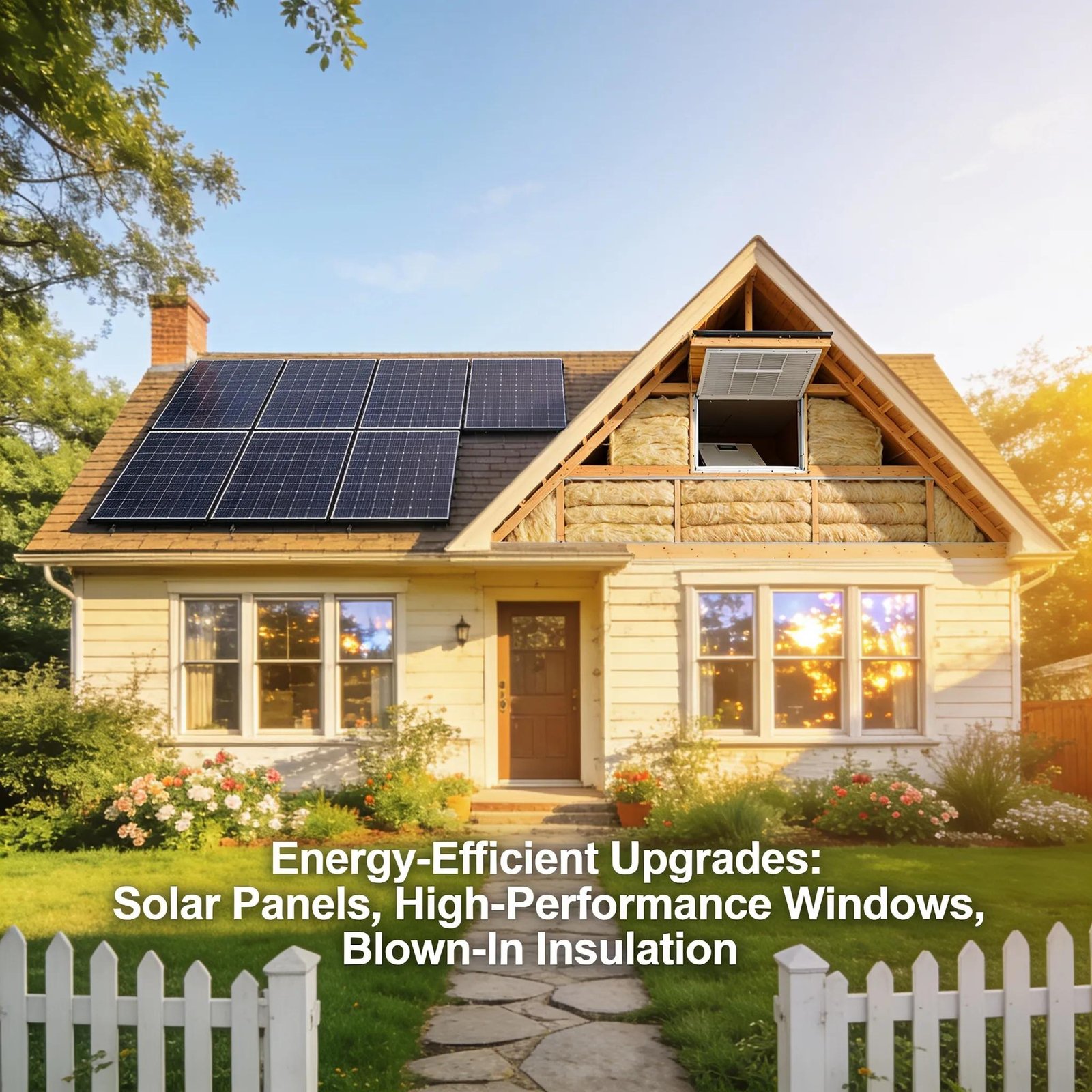
Blown‑in insulation forms a continuous thermal layer that slows heat transfer, keeping warm air inside in winter and out in summer. Because attics are a major source of heat loss, upgrading them reduces strain on heating and cooling systems and lowers energy bills.
What Is the R‑Value and Why Does It Matter for Insulating Older Attics?
R‑value is the standard measure of an insulation’s resistance to heat flow, the higher the R‑value, the better the thermal protection. For many older attics, a target between R‑30 and R‑60 is recommended, depending on your local climate and code requirements. That range helps balance comfort and efficiency.
For more in‑depth technical guidance, refer to expert reports and contractor resources that outline material characteristics, typical uses, and tradeoffs.
Homeowner’s Guide to Insulation for Existing Home Energy Performance
This report was prepared by PNNL for the U.S. Department of Energy’s Building America program as a practical guide that contractors can share with homeowners. It summarizes common insulation types, their pros and cons, typical R‑values, and recommended uses to improve energy performance and comfort in existing homes. (Energy Renovations, Volume 17: Insulation, A Guide for Contractors to Share with Homeowners, 2012)
How Does Bradenton’s Climate Affect Insulation Performance in Older Houses?
Bradenton’s warm, humid conditions call for insulation choices that limit moisture problems. Both fiberglass and cellulose can work well here when installed with proper ventilation and moisture controls. In some cases, extra attention to attic ventilation and vapor management is needed, especially if cellulose materials are used.
What Should You Expect During the Blown‑In Insulation Installation Process?
Professional blown‑in installs are typically fast and minimally disruptive. The crew will inspect the attic, address any obvious issues, and use blowing equipment to distribute material evenly across floors and into cavities.
How Do Contractors Prepare Older Attics for Blown‑In Insulation?
Common prep steps include:
- Safety Measures: Workers use protective gear to limit dust exposure and avoid hazards.
- Material Checks: The installer assesses existing insulation and attic structure for damage or moisture.
- Assessment of Existing Conditions: Contractors look for pests, roof leaks, or ventilation problems and recommend fixes before insulation goes in.
What Are the Benefits of Combining Air Sealing with Blown‑In Insulation?
Adding air sealing before insulation amplifies savings and comfort:
- Maximizing Energy Efficiency: Sealing gaps and cracks prevents air leakage and lets insulation perform as intended.
- Reducing Thermal Bridging: A continuous air barrier reduces heat transfer through framing and gaps.
- Enhanced Comfort Levels: Fewer drafts and more stable indoor temperatures.
How Can You Choose the Right Attic Insulation for Your Old House?
Pick insulation based on climate, the current state of your attic, and your budget. An on‑site evaluation will reveal whether removal, repairs, ventilation upgrades, or a particular material is the best fit.
What Questions Should You Ask When Hiring an Insulation Contractor?
When screening contractors, be sure to ask:
- What is your experience with homes?
- Are you licensed and insured?
- Can you show references or past projects similar to mine?
Are There Local Regulations or Incentives for Attic Insulation in Bradenton?
Bradenton homeowners should check local building codes for insulation requirements and inquire about energy‑efficiency incentives. Rebates or tax credits may be available for qualifying upgrades and can help offset installation costs, your contractor or local energy office can point you to current programs.
This quick comparison highlights cost and performance differences to help you make an informed choice for your attic.
Frequently Asked Questions
What are the signs that your attic needs new insulation?
Look for these warning signs: large temperature swings between rooms, rising energy bills, ice dams in winter, or visible moisture, mold, or pest activity in the attic. If the attic feels much hotter in summer or colder in winter than the rest of the house, that’s another clue. A professional inspection can confirm whether insulation replacement is needed.
Can I install blown‑in insulation myself?
DIY is possible, but not usually recommended. Blown‑in insulation requires specialized blowing equipment and installation techniques to get uniform coverage and the right density. Improper application can leave gaps or cause settling issues. Pros also spot underlying problems, like mold or structural issues, that should be fixed first.
How does blown‑in insulation benefit noise reduction?
Blown‑in materials, especially cellulose, absorb sound and reduce noise transfer through attic and wall cavities. That makes them a good choice if you want quieter rooms or live on a busy street. in Manatee County homes with thin partitions, the added density can noticeably cut airborne sound.
How long does blown‑in insulation last?
With proper installation and a dry attic, blown‑in insulation can last decades. Fiberglass often performs well for 20–30+ years; cellulose commonly lasts 15–25 years. Lifespan depends on moisture exposure, settling, and pest activity, regular attic checks help preserve performance.
5. What is the best season to install blown‑in insulation?
Spring and fall are ideal because moderate temperatures and humidity make installation easier and more comfortable. Avoiding extreme cold or heat helps crews work efficiently and reduces the chance of moisture issues during installation.
Are there health benefits associated with improved attic insulation?
Yes. Better insulation helps stabilize indoor temperature and humidity, reducing the risk of mold and mildew and improving indoor air quality. It also minimizes drafts and limits the entry of outdoor pollutants through gaps, contributing to a healthier living environment.
Is blown‑in insulation environmentally friendly?
It can be, especially when you choose cellulose, which is largely made from recycled paper. Cellulose generally has a lower embodied carbon footprint than fiberglass. Some fiberglass products contain chemical flame retardants, so check product labels if sustainability or chemical content is a priority.
Conclusion
Upgrading attic insulation is one of the most effective ways to improve comfort and lower energy costs in Manatee County homes. Whether you choose cellulose or fiberglass, the right material and professional installation make a big difference. Start with an attic assessment, weigh costs and climate needs, and contact a qualified insulation contractor to get the job done right, so your home stays cozier and more efficient year‑round.
