
By Daniel Myrand, REINSULATE LLC
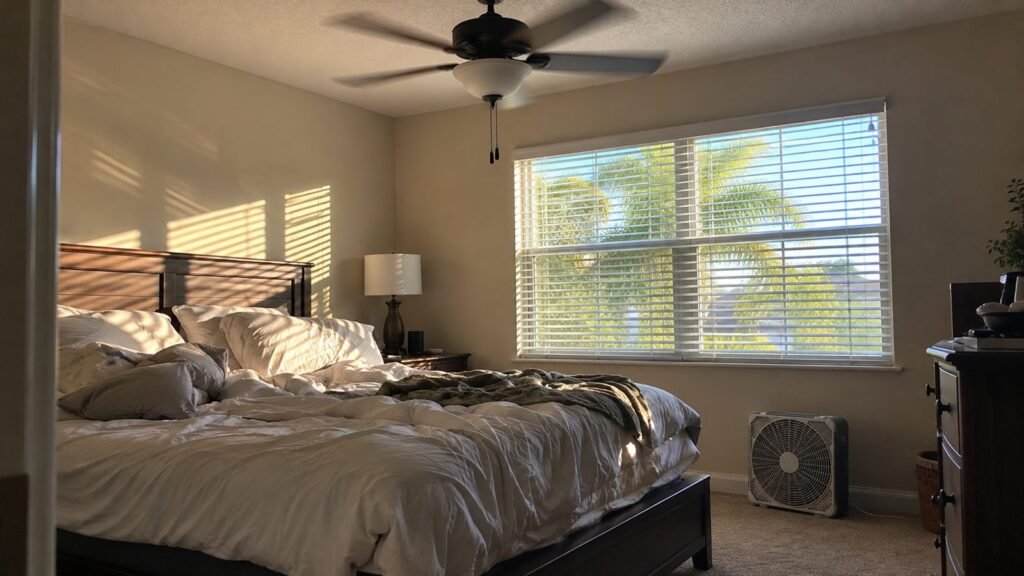
Homeowners in Bradenton, Sarasota, and Manatee County often ask, “Why is my upstairs so hot?” The heat from summer and a warm attic can make upstairs rooms uncomfortable. It also makes your air conditioner work harder. Most of the time, it’s because attic insulation isn’t keeping the heat out well. This guide will explain why the upstairs gets so hot and how good attic insulation can keep your home cooler.
Key Takeaways
- Upstairs rooms get hot mainly due to poor attic insulation and low attic ventilation.
- Heat in the attic makes your AC work harder and raises energy bills.
- Blown-in, spray foam, and batt roll insulation all help reduce heat when installed right.
- Good attic ventilation lets hot air escape and keeps the space dry.
- Replacing old or damaged insulation restores its ability to block heat.
- Upgrading attic insulation in Florida summers can cut cooling costs by 10% to 30%.
- Spray foam has a high R-value and seals air leaks well to control heat better.
- Adding ceiling fans, shading, and whole-house fans can make upstairs more comfortable.
- Proper installation and full coverage make sure insulation works as it should.
What Causes Heat to Build Up Upstairs
Heat naturally rises toward the roof. Florida’s hot weather makes these things warm upstairs rooms more than other parts of the house:
- Not Enough Insulation: Attics with thin or missing insulation let heat flow into your upstairs rooms.
- Bad Ventilation: Without fresh air moving in the attic, heat gets trapped above your living spaces.
- Strong Sunlight: Florida’s sun heats the roof, adding extra heat to the attic and upstairs rooms.
Knowing these causes helps you fix why your upstairs is too hot.
How Attic Heat and Poor Ventilation Affect Your Home
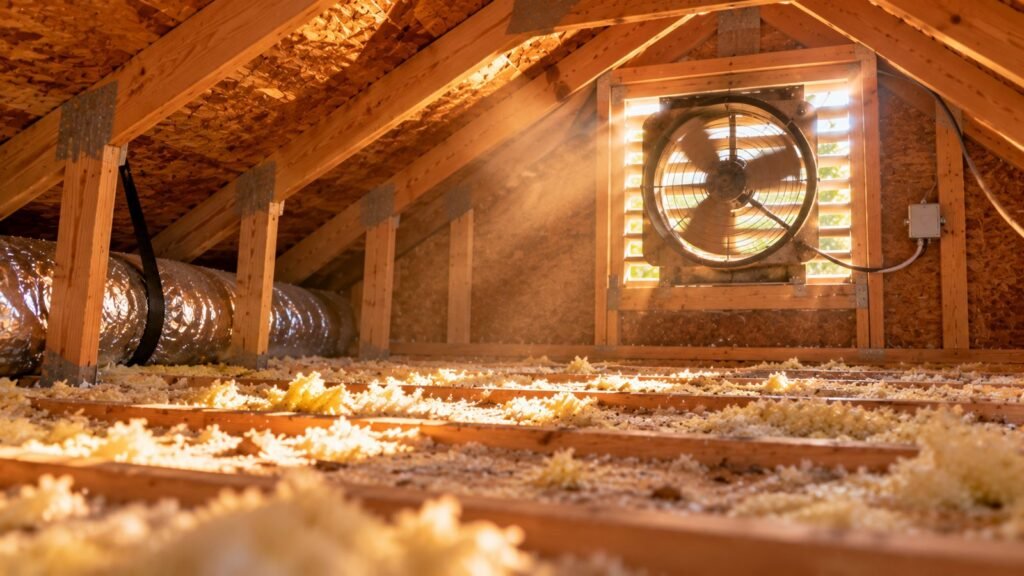
If your attic lacks enough insulation or ventilation, it turns into a hot, damp space causing problems like these:
- Extra Work for Your AC: Hot attic air makes your air conditioner run longer, using more electricity.
- Hot Upstairs Rooms: The rooms upstairs stay much warmer than downstairs, which is uncomfortable.
- Moisture and Mold: Poor airflow traps humidity, leading to mold growth and damage to your roof.
Fixing attic heat and ventilation is key to keeping your home cooler and healthier.
Simple Attic Insulation Solutions
To keep upstairs rooms cooler, here are proven options to improve your attic:
- Blown-In Insulation: This fills all small gaps and spaces and covers the attic evenly to block heat better.
- Radiant Barriers: These reflect sunlight and heat away from your attic space.
- Regular Inspections: Checking your attic often helps catch problems before they reduce insulation’s job.
All these will help lower attic temperatures and keep your home cooler.
Blown-In Insulation
Blown-in insulation is great for reaching tight spots and covering the attic fully. It blocks heat in summer and holds warmth in during Florida’s cooler months. This helps you save energy all year.
Batt Roll Insulation
Batt rolls come in panels made of fiberglass or mineral wool. They fit standard attic framing and are a budget-friendly choice. But to work well, they must be installed without gaps or being squished.
Spray Foam Insulation
Spray foam seals cracks and gaps while giving a high R-value. R-value means how well it blocks heat. Spray foam keeps heat out and blocks air leaks. It also stops moisture, making it a good choice for lasting comfort.
How Attic Heat Raises Upstairs Temperatures
When the attic traps heat, it acts like a hot blanket over your living areas. This makes your AC less efficient and makes upstairs rooms too warm. Good attic insulation helps stop this by reducing heat flow through the roof.
Why Poor Attic Ventilation Creates Temperature Imbalance
Without enough airflow, your attic heats up and traps hot air above your rooms. That heat moves down into your home, making upstairs too hot. Adding vents like ridge and soffit vents or attic fans helps cool the attic and protect your home from moisture.
Top Insulation Options to Cool Upstairs Rooms
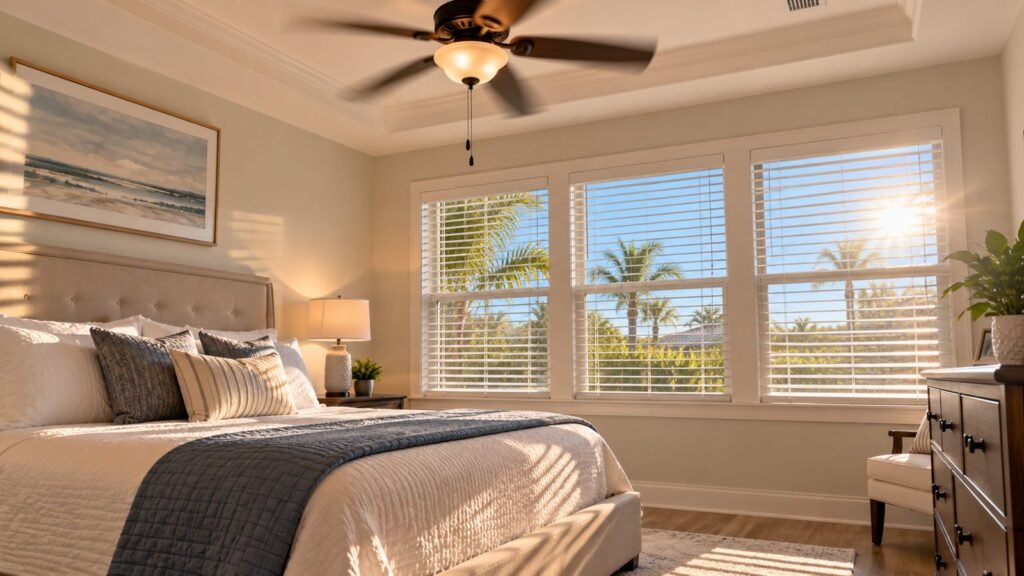
Here are insulation types that work well in Florida’s climate:
- Blown-In Insulation: Fills tricky spaces and reduces heat flow.
- Batt Roll Insulation: Easy to install in normal attic spaces when placed right.
- Spray Foam Insulation: Has a high R-value and seals air leaks for better performance.
Think about price, R-value, and how easy installation is when you pick what’s best for your attic.
How Blown-In Insulation Keeps Upstairs Cooler
Blown-in insulation creates a full, even layer that stops attic heat from reaching your rooms. This lowers the load on your AC and saves you money on electric bills for years.
When to Remove and Replace Attic Insulation
It’s time to replace insulation if you notice:
- Water or Moisture Damage: Wet or squished insulation can’t block heat well and might cause mold.
- Pest Damage: Bugs or rodents can ruin insulation and lower its value.
- Old or Ineffective Insulation: If your insulation doesn’t meet today’s standards, an upgrade will help.
Regular attic checkups help you know when it’s time to replace old insulation.
Why Re-Insulating Older Homes Helps Upstairs Comfort
Old homes in Bradenton, Sarasota, and Manatee County often have worn-out or thin insulation that doesn’t work well. Re-insulating your attic fills gaps, blocks air leaks, and raises R-value. This keeps upstairs temperatures steady and lowers utility bills. It’s a smart upgrade for older homes.
Energy Savings from Attic Re-Insulation
Replacing old insulation can lower your cooling bills by 10% to 30%. This depends on your previous insulation, the materials you pick, and how well the new insulation is installed. Good attic insulation improves energy efficiency during Florida’s hot months.
How Better Insulation Makes Your Home More Comfortable
Upgrading attic insulation helps by:
- Stopping Drafts: Seals spots that let in hot air or let cool air escape.
- Keeping Temperatures Even: Cuts down on hot and cold areas in your home.
- Lowering Energy Costs: With less heat coming in, your AC runs less and saves money.
These benefits make your home feel comfortable all year.
Other Ways to Cool Upstairs Rooms Besides Insulation
Along with attic insulation, try these steps to fight Florida heat upstairs:
- Increase Attic Ventilation: Add or improve ridge and soffit vents or use attic fans to push hot air out.
- Seal Air Leaks: Use caulk and weatherstripping around windows, doors, and holes to keep hot air out.
- Use Reflective Roofing: Light-colored or reflective roof materials reduce heat from the sun.
Combining these with quality insulation gives the best results.
How Better Attic Ventilation Lowers Heat
Good ventilation helps by:
- Improving Air Movement: Circulates fresh air to take heat out of the attic.
- Lowering Attic Temperatures: Cooler attic air means less heat moves into your rooms.
- Controlling Moisture: Reduces humidity and helps protect your roof from damage.
Ventilation and insulation together keep your upstairs comfortable in Florida’s summers.
Cooling Options That Work with Insulation
To boost insulation, try:
- Ceiling Fans: Better airflow cools you without turning the AC lower.
- Shading: Blinds, curtains, and outside shades block sun and cut heat gain.
- Whole-House Fans: Pull in cooler evening air to flush out hot indoor air.
These help your AC and keep upstairs rooms cooler.
How R-Values and Insulation Materials Affect Upstairs Heat
R-value shows how well insulation stops heat. Materials with higher R-values slow heat better and help keep your upstairs cooler. Spray foam has a high R-value and seals leaks, making it a top choice. Pick materials and R-values that fit Florida’s climate and your attic’s needs.
Insulation Materials with Strong R-Value for Hot Upstairs Rooms
Good options include:
- Spray Foam Insulation: Highest R-values with great air sealing.
- Blown-In Cellulose: Good R-value, fills spaces well, and is eco-friendly.
- Fiberglass Batt Insulation: Less expensive, lower R-value, fits standard framing.
Choose based on your budget, attic layout, and desired results.
Why Installation Matters
How insulation is put in affects how well it works. Good installation means filling every gap, not squishing it, and stopping air leaks. Blown-in insulation fits uneven spaces well. Batt insulation needs careful cutting and fitting. Proper installation means better cooling and savings.
Common Questions from Homeowners
Here are answers to common questions about upstairs heat.
Why are upstairs rooms hotter than downstairs?
Heat rises, and without good attic insulation or ventilation, your upstairs gets hotter, especially during Florida summers.
Can attic insulation cut cooling costs a lot?
Yes. Proper attic insulation can lower cooling bills by 10% to 30%, depending on how old your current insulation is and the materials used.
What signs show my attic insulation needs replacing?
If you see damp, mold, compressed insulation, pests, drafts, or rising energy costs, it’s time for new insulation.
How does attic insulation affect overall energy use?
Good insulation slows heat flow, so your AC runs less and you save on bills. It also helps keep your whole home comfortable all year.
When is the best time to insulate an attic?
Spring or fall are best because the weather is mild and it’s easier to install.
Can I install attic insulation myself?
Some types you can, but professionals usually do a better job. They know about ventilation and sealing that make insulation work well.
Are there tax credits or rebates for attic insulation?
Many local and state programs offer these. Check for Florida incentives and ask a contractor for details.
Does combining insulation with other home upgrades help cooling?
Yes. Ventilation, sealing air leaks, efficient windows, and reflective roofing combined with insulation make a big difference.
Conclusion
In Bradenton, Sarasota, and Manatee County, upgrading your attic insulation and improving ventilation can cut attic heat, ease upstairs temperatures, and lower your energy bills. Pick the right materials and install them well to get the most benefit. Schedule an inspection or talk to a professional to find the best way to cool your upstairs rooms.
Get a Free Attic Inspection
REINSULATE is a veteran-owned company serving Manatee and Sarasota counties. We offer free attic insulation estimates and are currently running a special deal: Get free garage attic insulation (up to 500 square feet) when you have your home’s attic insulation removed and replaced. Terms apply.
Visit letsreinsulate.com/free-garage-insulation/ to see if you qualify or call 941-705-0305 for details.
