Complete Residential Insulation Guide, Make Your Home More Comfortable and Energy Efficient
By Daniel Myrand, REINSULATE LLC
Insulation is one of the simplest, most effective ways to cut energy bills and make your home feel better year-round. With energy prices rising, understanding common materials and installation options helps you choose solutions that fit your budget and your home. This guide walks through the main insulation types, how they’re installed, and typical costs so you can choose the best path for your home. The right insulation reduces drafts, evens out temperatures, and helps your heating and cooling systems work less.
Key Takeaways
- Insulation slows heat transfer, stabilizing indoor temperatures and improving comfort while lowering energy use.
- Installation methods include spray foam, blown-in, batt/blanket, and rigid foam board, each fits different needs.
- Common materials: fiberglass, cellulose, spray foam, and mineral wool, each has clear pros and cons.
- Choose insulation based on R-value, moisture resistance, cost, and installation complexity.
- Attic insulation matters most, lots of heat is lost through the attic if it’s underinsulated.
- Blown-in attic insulation fills gaps and irregular areas, boosting overall thermal performance.
- Reinsulating homes restores efficiency, improves comfort, and reduces strain on HVAC equipment.
- Hire a qualified contractor: check credentials, get clear pricing, and read customer reviews.
- Tax credits, rebates, and eco-friendly materials can make upgrades more affordable and greener.
Techniques
How insulation is installed affects how heat moves through your home. Match the technique to the space and outcome you want. Common approaches include:
- Spray Foam Insulation: Sprayed on as a liquid that expands to seal gaps and create a tight air barrier.
- Blown-In Insulation: Loose-fill material is blown into cavities, great for attics and hard-to-reach spots.
- Batt and Blanket Insulation: Pre-cut fiberglass or mineral wool panels installed in walls, ceilings, and floors, common in new builds.
- Rigid Foam Board: Dense panels that offer high insulating value with minimal thickness, useful in many applications.
Picking the right method helps the insulation perform as expected and maximizes energy savings.
Materials
Your material choice affects thermal performance, moisture behavior, and where the product works best. The most common options are:
- Fiberglass: Cost-effective and widely available as batts, rolls, or loose-fill.
- Cellulose: Made from recycled paper, an eco-friendlier option that performs well when installed correctly.
- Spray Foam: Excellent at air sealing with a high R-value per inch, though typically costlier up front.
- Mineral Wool: Also called rock wool; resists fire and moisture and offers solid thermal and acoustic performance.
Proper installation is key, each material can significantly improve a home’s thermal performance when used correctly.
Important Considerations
Before picking insulation, weigh these key factors:
- R-Value: Measures thermal resistance, higher R-values give better insulation for the same thickness.
- Moisture Resistance: Choose materials that handle damp conditions to avoid mold and deterioration.
- Cost: Compare the upfront price against expected energy savings to find the best return.
- Installation Process: Some products need professional installation to perform safely and effectively.
Understanding these trade-offs helps you choose a solution that fits your home and climate.
What Are the Most Effective Types of Residential Insulation Materials?
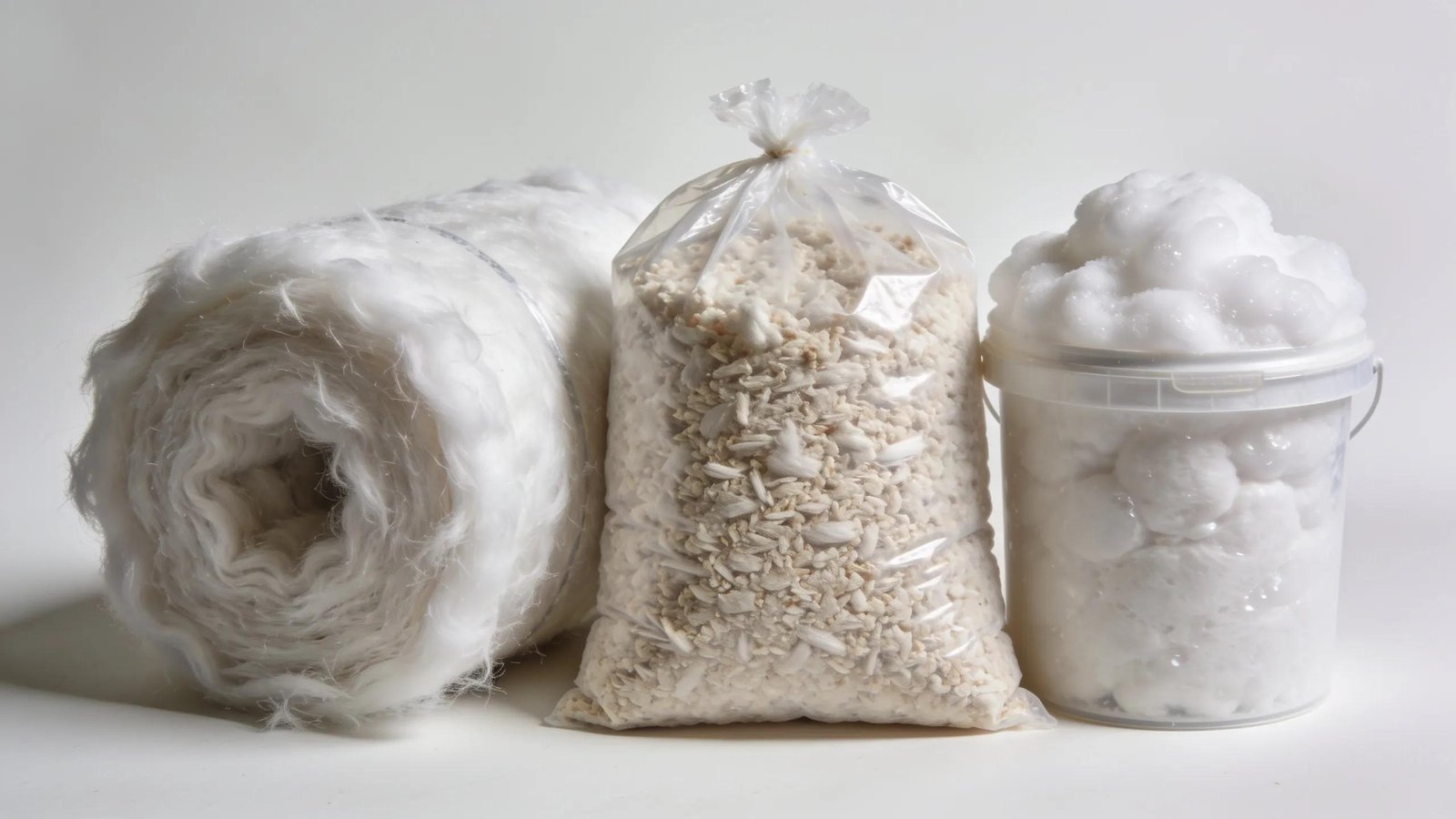
Picking the right material matters for long-term performance. Materials vary by thermal properties, installation method, and suitability for different house types and climates.
How Do Fiberglass, Spray Foam, and Cellulose Insulation Compare?
Each option has clear strengths and trade-offs to consider:
- Fiberglass: Pros: Affordable, non-combustible, and available in several formats. Cons: R-value can drop if it’s compressed or poorly installed.
- Spray Foam: Pros: Strong air sealing, high R-value per inch, and closed-cell options resist moisture. Cons: Higher upfront cost and usually requires a pro to install.
- Cellulose: Pros: Made from recycled material, fills cavities well, and performs reliably when installed correctly. Cons: Can settle over time and may need pest protection in some cases.
Use this comparison to balance cost, performance, and installation needs for your project.
Which Insulation Materials Are Best for Energy-Efficient Home Insulation?
The best material depends on the climate and the area you’re insulating. In cold climates, high-R-value products like spray foam often perform best. In milder regions, cellulose or fiberglass can offer strong performance at a lower cost. homes usually see big gains from blown-in attic insulation without major structural work.
Why Is Attic Insulation Crucial for Residential Energy Efficiency?
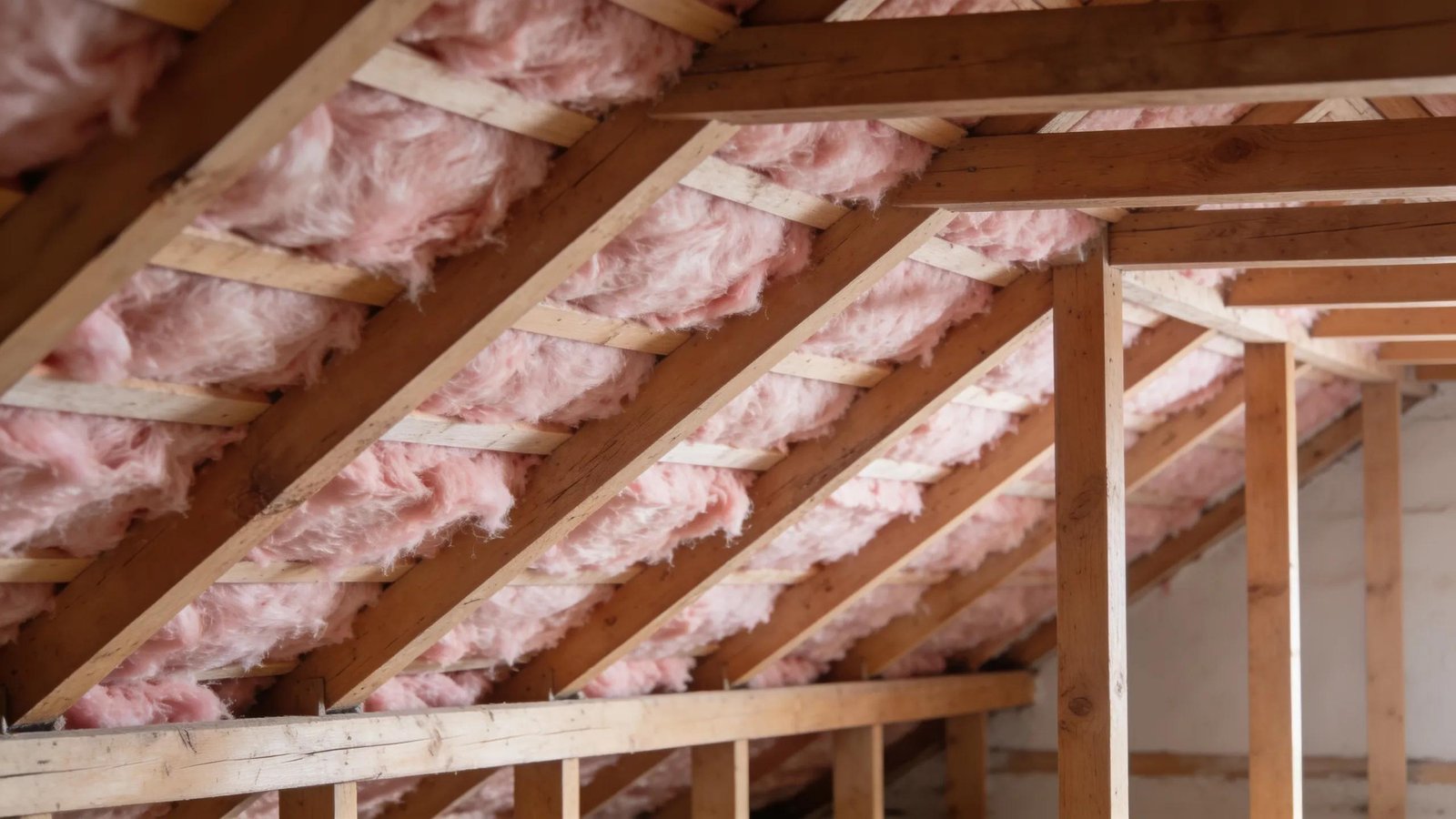
The attic is a major path for heat loss and gain, so properly insulating it has a significant impact on comfort and utility bills. Heat rises into the attic in winter and can enter living spaces in summer. Good attic insulation keeps temperatures steadier and lowers heating and cooling costs.
How Does Blown-In Attic Insulation Work and What Are Its Benefits?
Blown-in insulation spreads loose fibers or particles, usually cellulose or fiberglass, across the attic with a machine. It fills gaps and irregular spaces better than batts, improving the overall R-value and reducing air leaks. Benefits include more even temperatures, fewer cold spots, and reduced risk of moisture issues when installed correctly.
What Are the Key Advantages of Reinsulating homes’ Attics?
Over time, insulation in Manatee County homes can settle or degrade. Reinsulating delivers several advantages:
- Improved Energy Efficiency: Upgrading insulation can noticeably lower heating and cooling costs.
- Increased Comfort: Better insulation helps maintain steady temperatures throughout the house.
- Extended HVAC Lifespan: Reducing runtime reduces wear on heating and cooling equipment.
Because of these benefits, attic upgrades are often one of the most cost-effective energy investments for homeowners.
How Can Homeowners Choose the Best Insulation Contractor?
Picking the right contractor matters for safety and long-term performance. Look for professionals who can show their credentials, provide clear pricing, and share references or reviews.
- Experience and Credentials: Confirm licenses, insurance, and any industry certifications.
- Transparency: Expect a detailed estimate and a clear scope to avoid surprises.
- Quality of Work: Review previous jobs and customer feedback to gauge reliability and results.
Doing this homework increases the chance that the job is done right the first time.
What Should You Look for in Attic Insulation Contractors?
When evaluating attic specialists, focus on a few practical items:
- Licensing and Insurance: Verify credentials and proper coverage.
- Cost Transparency: A reputable contractor gives a clear, line-item quote and explains each cost.
- Customer Feedback: Look for consistent positive reviews and examples of similar projects.
Choosing a reputable contractor helps avoid common installation problems and secures better long-term performance.
How Do Free Estimates Help in Choosing Residential Insulation Services?
Free estimates let you compare options and identify potential issues before committing. They help in several ways:
- Understanding Pricing Structures: See what drives costs and choose options that match your priorities.
- Risk Assessment: Comparing estimates helps spot unusually low bids or missing scope.
- Cost Comparison: Multiple quotes make it easier to balance price and quality for your budget.
Getting more than one estimate is a practical step toward finding the right contractor and solution.
What Are the Typical Costs and Energy Savings of Residential Insulation?
Costs depend on the materials, home size, and labor, but typical ranges and expected savings help you plan your investment.
How Much Does Reinsulating an Attic Usually Cost?
Reinsulating an attic typically costs a fair, project-based price depending on attic size, material choice, and labor. Over time, that investment can pay back through lower utility bills.
What Energy Savings Can Be Expected from New Insulation?
New insulation can reduce heating and cooling costs by roughly 20–30 percent, though results vary with the home’s starting condition and the insulation installed. The biggest gains are often seen when upgrading older or underinsulated spaces.
How Do Government Incentives and Environmental Considerations Impact Insulation Choices?
Incentives and environmental goals can influence material selection. Programs often offer tax credits or rebates for energy-saving upgrades, which can make higher-performance options more affordable.
What Are the Latest Residential Energy Efficiency Incentives for 2025-2026?
For 2025 and 2026, some programs still offer tax deductions or rebates for energy-saving home improvements, including insulation. These incentives can reduce your net cost and make greener choices easier. Check current government resources or a tax professional to confirm eligibility.
Why Choose Environmentally Friendly Insulation Materials?
Eco-friendly options like cellulose or recycled-fiber products lower environmental impact through sustainable sourcing and lower embodied energy. They can reduce landfill waste and often perform well while supporting greener building practices.
How to Request a Free Estimate and Understand the Residential Insulation Service Process?
Knowing the typical steps from estimate to installation makes the project go more smoothly and helps you plan ahead.
What Steps Are Involved from the estimate request to the insulation installation?
The usual process looks like this:
- Initial Consultation: Discuss your goals and the contractor’s recommended approach.
- Home Assessment: The contractor inspects the space and measures what’s needed.
- Receive Proposal: You get a detailed estimate with suggested materials and timelines.
- Installation Scheduling: After you approve the proposal, a date is set for the work.
Following these steps keeps the project organized and on schedule.
What Questions Should Homeowners Ask During the Insulation Consultation?
Ask clear, practical questions to judge expertise and set expectations, such as:
- Which insulation type do you recommend for my home, and why?
- How will you ensure proper installation and prevent common issues?
- What warranties and aftercare services do you provide?
These questions help reveal a contractor’s experience and commitment to quality.
Frequently Asked Questions
What are the signs that my home needs better insulation?
Look for big temperature differences between rooms, noticeable drafts, or higher-than-normal energy bills. Ice dams in winter can signal heat loss through the attic. If rooms stay too cold or too hot, it’s a good reason to check your insulation.
Can I insulate my home myself, or should I hire a professional?
Some tasks, like adding batt insulation in an open attic, can be DIY if you follow safety guidelines. But professionals are recommended for complex jobs, air sealing, spray foam, or when moisture and ventilation are concerns. Pros can also spot hidden issues and ensure the work meets local codes.
How does insulation contribute to soundproofing a home?
Insulation reduces sound transfer between rooms by filling cavities and adding density to walls and ceilings. Mineral wool and certain spray foams are especially effective for noise control. If sound reduction matters, choose materials and installation methods that address both thermal and acoustic performance.
What should I consider when choosing insulation for a basement?
Basements need materials that handle moisture and provide a reliable thermal barrier. Closed-cell spray foam or rigid foam board is often preferred because they resist moisture and helps prevent mold. Match the solution to your climate and moisture conditions, and consider a contractor experienced with basement work.
Are there tax benefits for upgrading insulation in my home?
Yes, many homeowners qualify for tax credits or rebates for energy-efficient upgrades, including insulation, when the work meets program rules. Incentives vary by location and program, so check current government resources or consult a tax advisor for details.
Does the type of insulation impact my home’s HVAC efficiency?
Absolutely. Better insulation and solid air sealing reduce conditioned air loss, which lowers HVAC run times and energy use. Materials with higher R-values and strong air-sealing properties, such as spray foam, can reduce system workload and extend equipment life.
Conclusion
Choosing the right insulation makes your home more comfortable and typically lowers energy costs over time. By understanding materials, techniques, and costs, you can make informed decisions that pay off in comfort and savings. Start with an assessment and get a few estimates to find the best solution for your home. Take the next step toward a more energy-efficient home by exploring insulation upgrades and available incentives today.
